Phong Phú Communal House
EXPLORE THE HISTORICAL HERITAGE
Through a Bilingual Perspective
Discover the unique cultural and architectural heritage through our digital archive
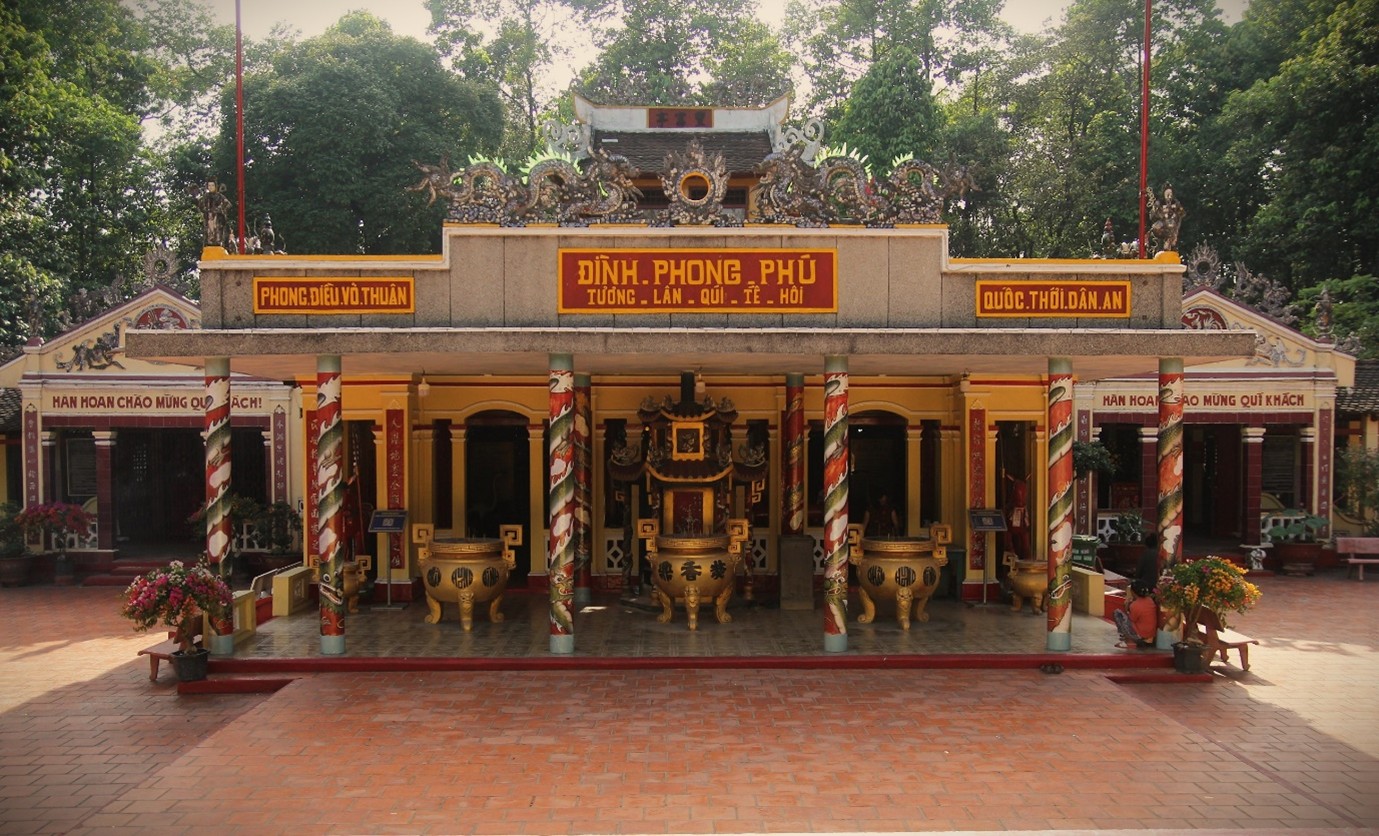

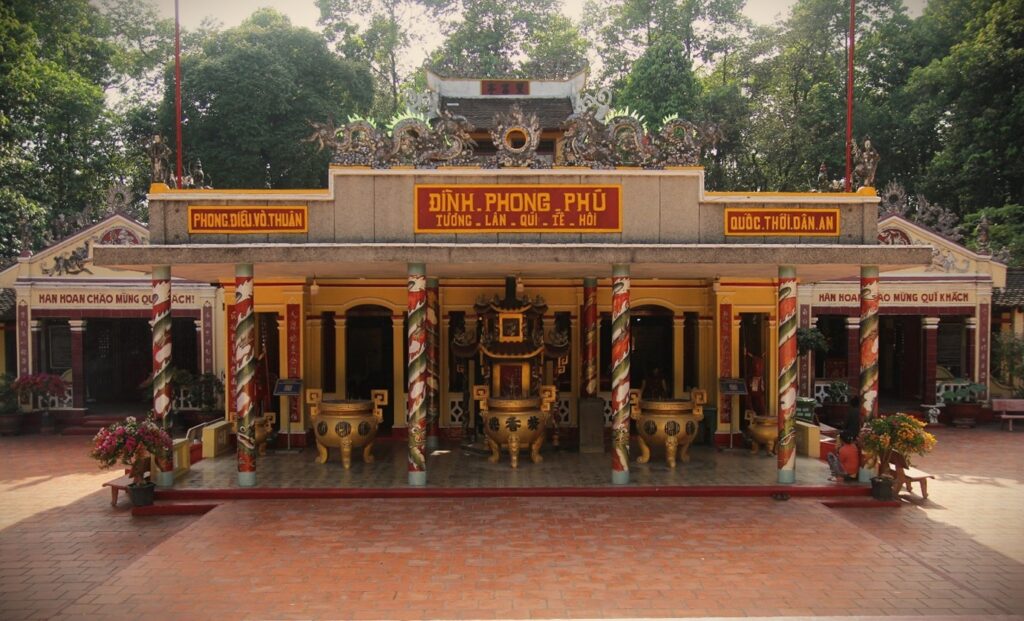
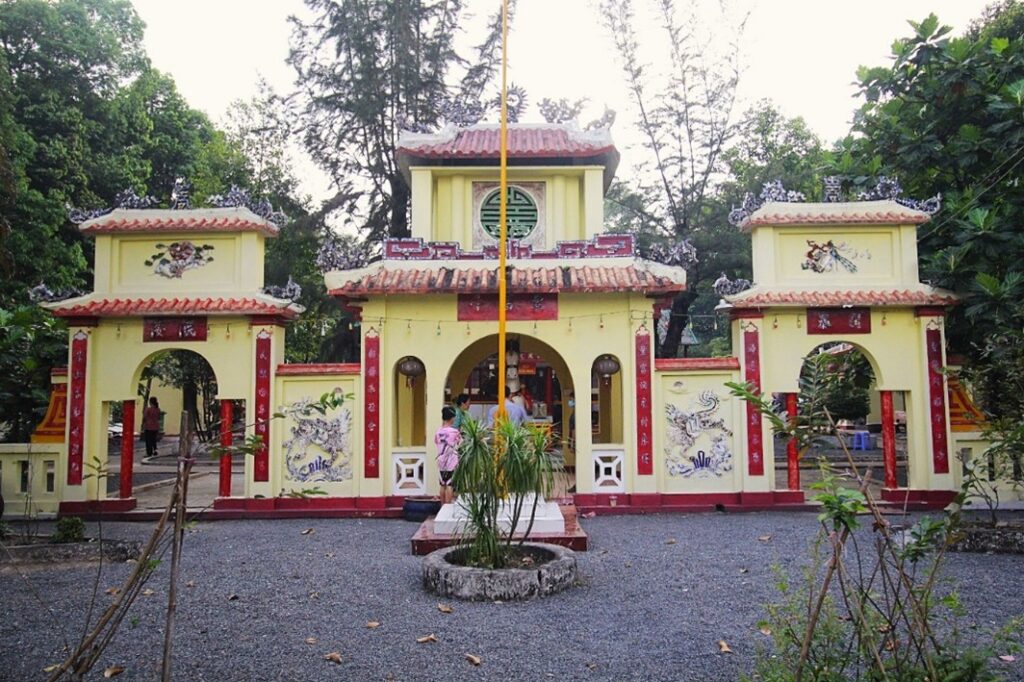
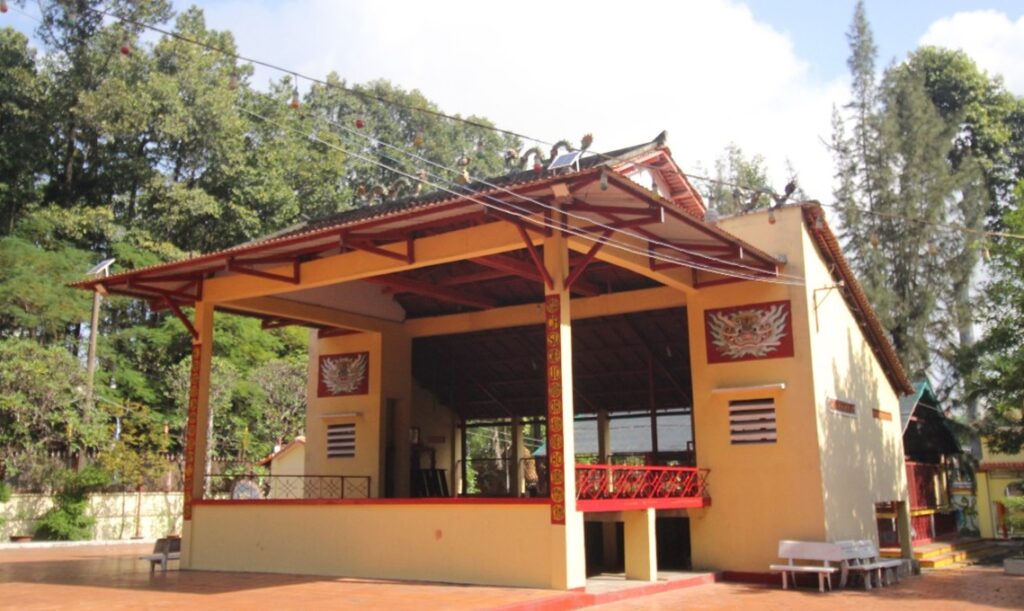
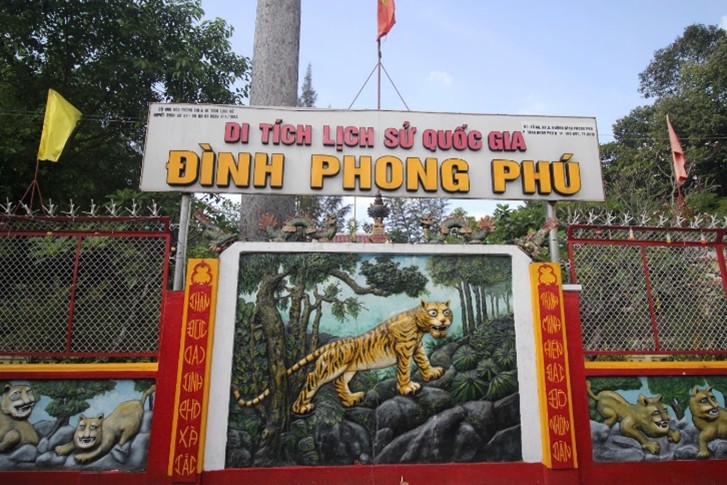
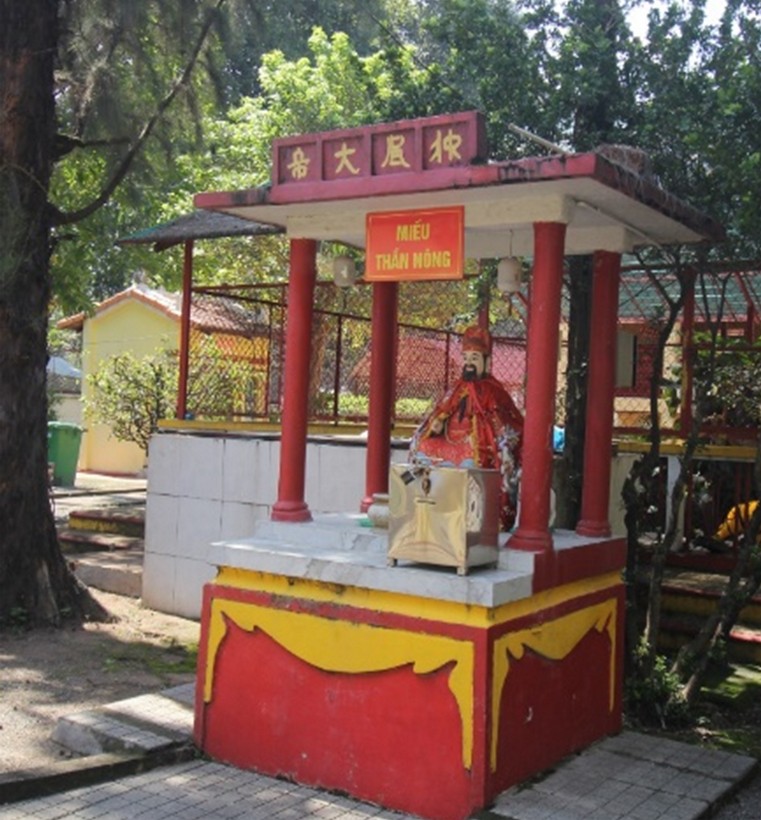
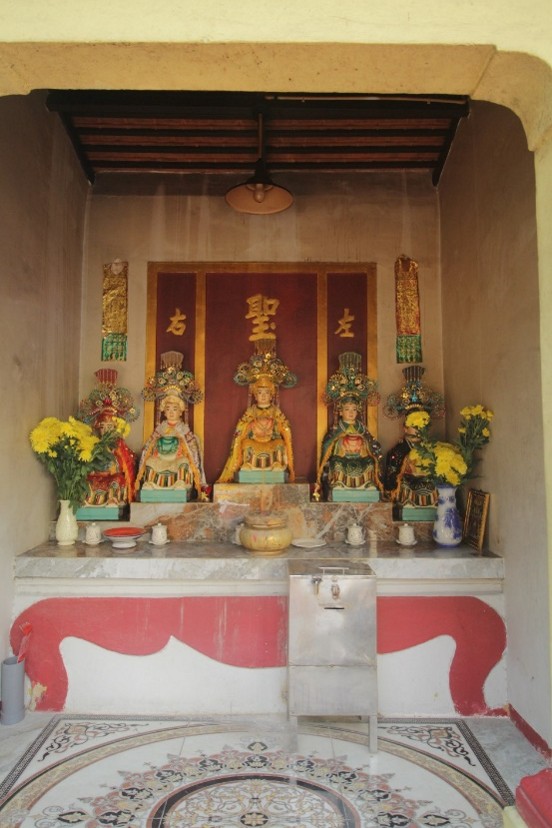
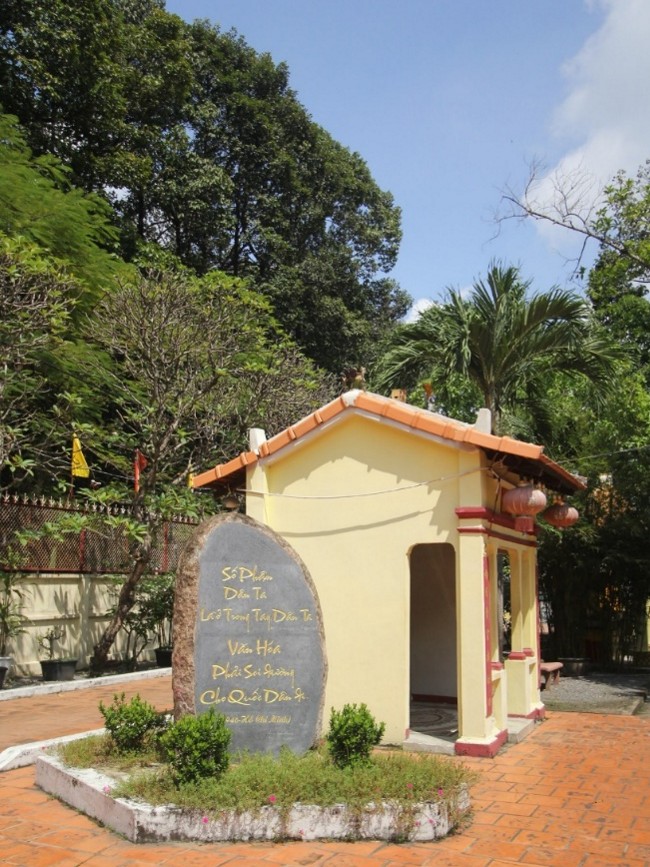
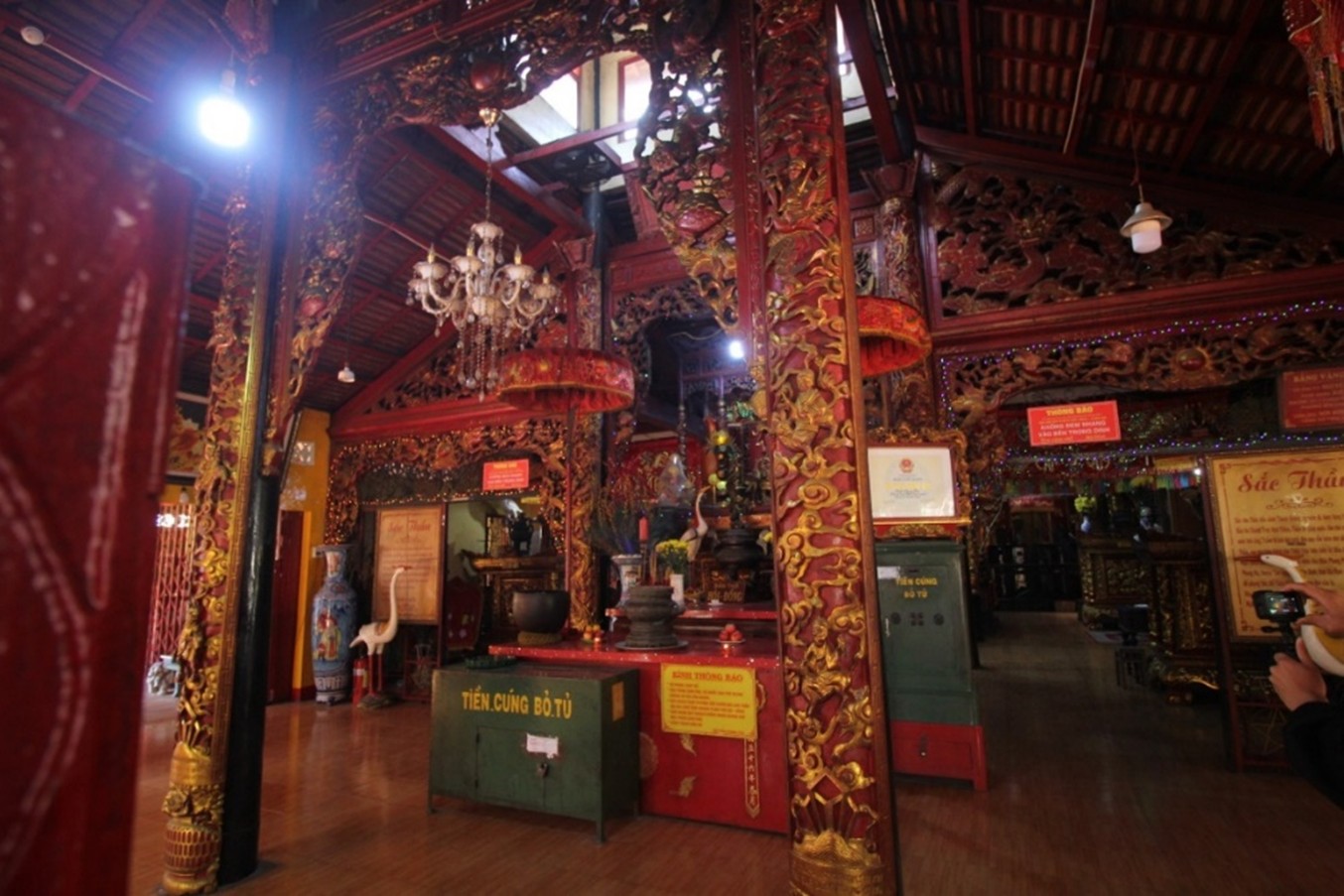
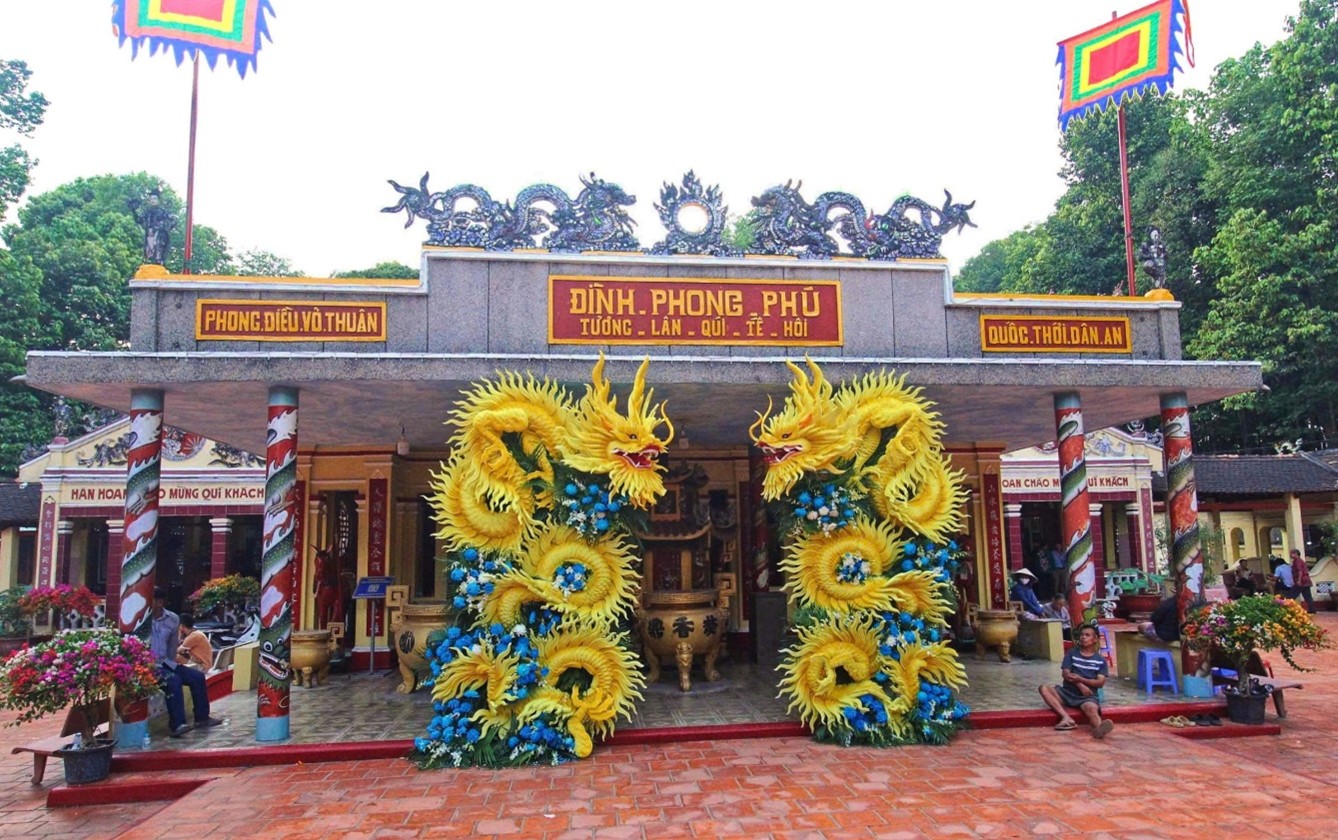
Phong Phú Communal House is a nationally recognized historical and revolutionary cultural relic, as well as a sacred space deeply imbued with long-standing traditions spanning hundreds of years. The communal house is situated on a campus of approximately 4.2 hectares in Quarter 3, Tăng Nhơn Phú B Ward, Thu Duc City. It serves not only as a center of spiritual and religious activities for the local community but also attracts numerous visitors from surrounding areas who come to offer incense, pay tribute, and express gratitude to the forebears who pioneered and developed this land.
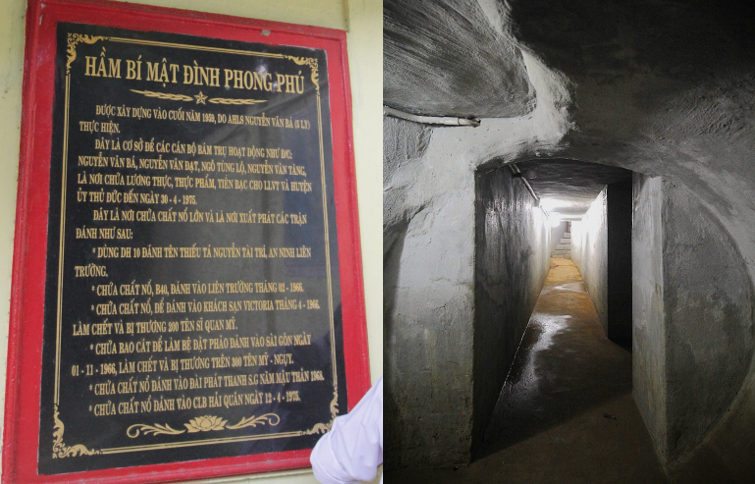
In addition to its architectural value and profound spiritual significance, Phong Phú Communal House is closely associated with the nation’s revolutionary struggle. It was established in the late 19th century, when Phong Phú village belonged to An Thủy canton, Saigon district (around 1880). Throughout the many upheavals of history, local dignitaries and the communal house association maintained close ties with revolutionary movements, making significant contributions during the resistance wars against French colonialism and American imperialism, thereby contributing to the proud historical legacy of the locality.
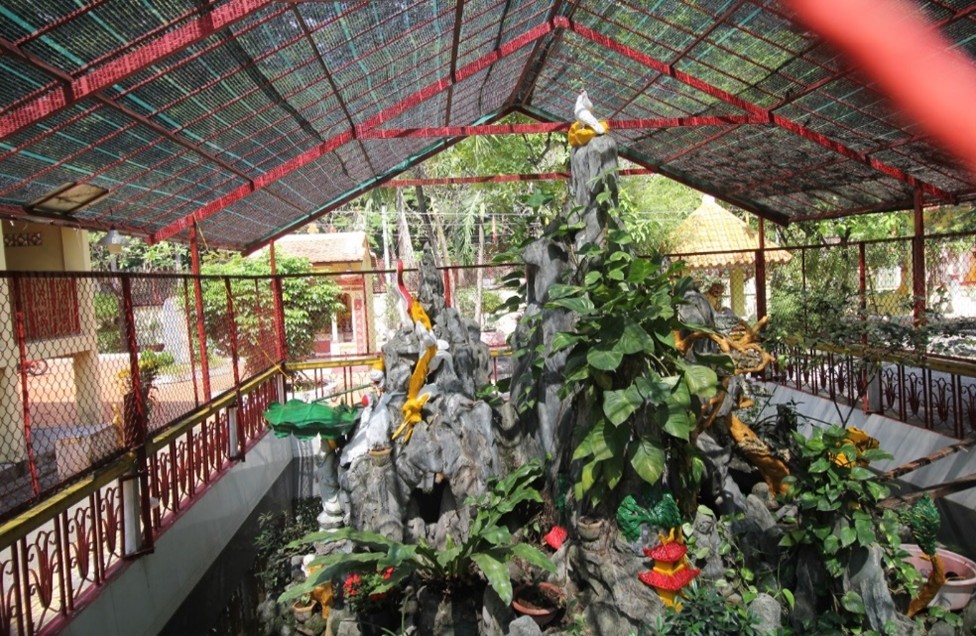
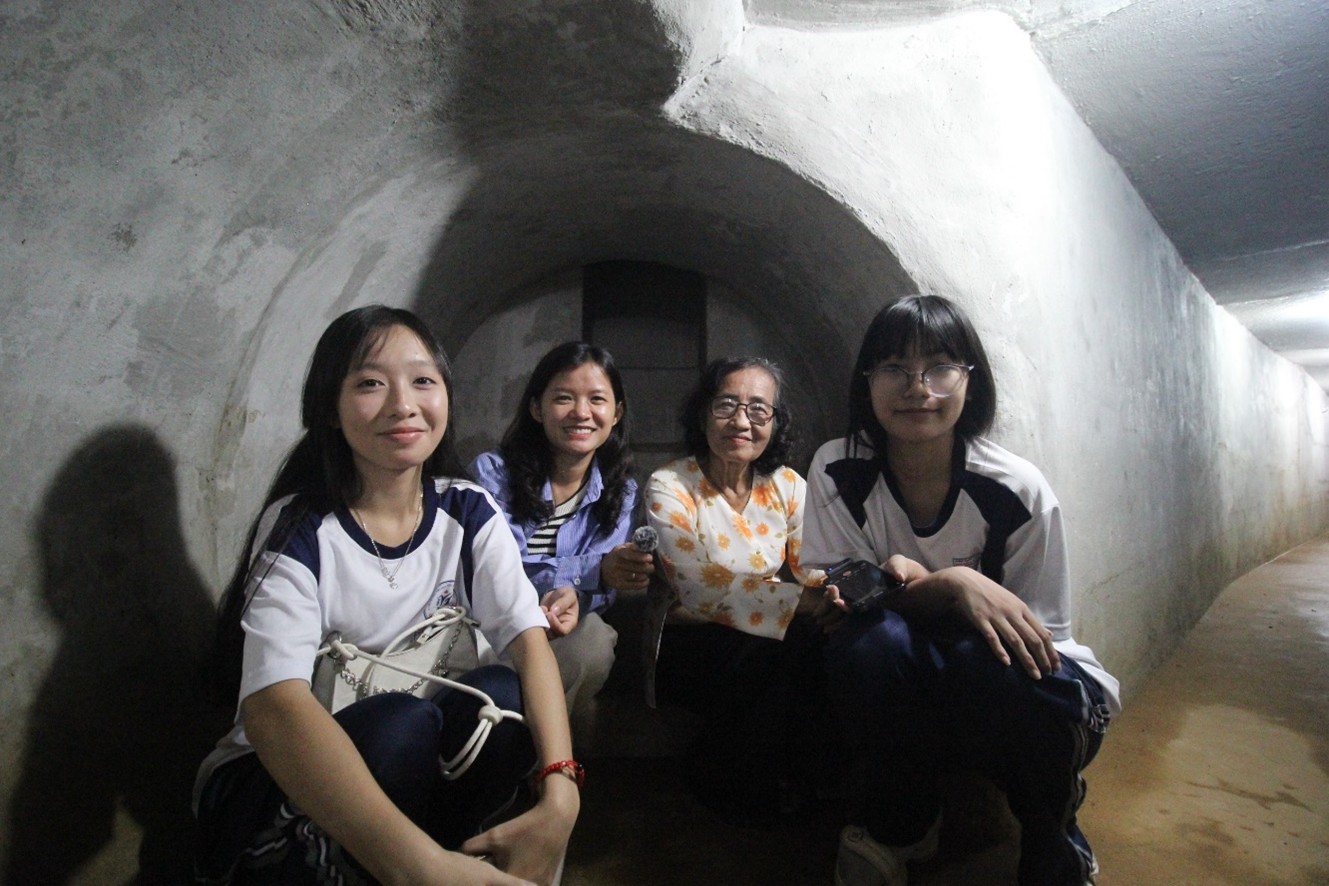
Documenting the current state of the architecture, spatial setting, and collective memory through photographs, videos, and witness interviews
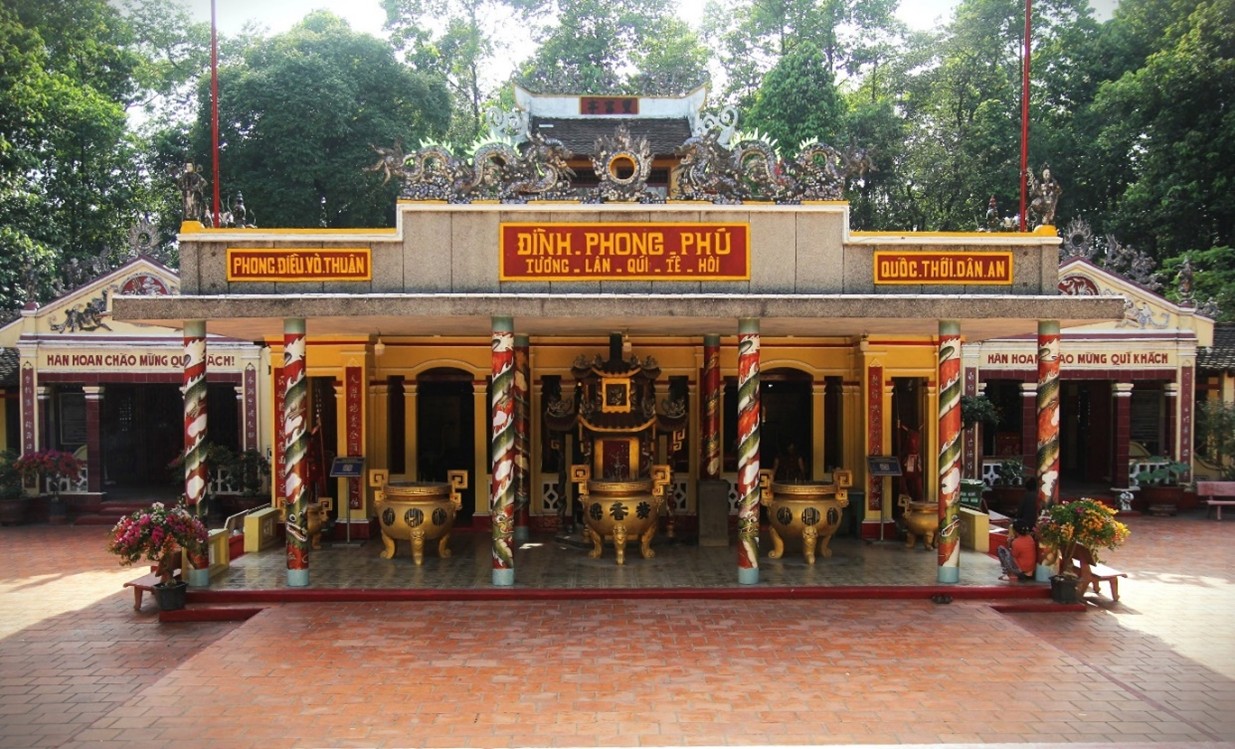
Explore the historical development of Phong Phú Communal House through different periods.
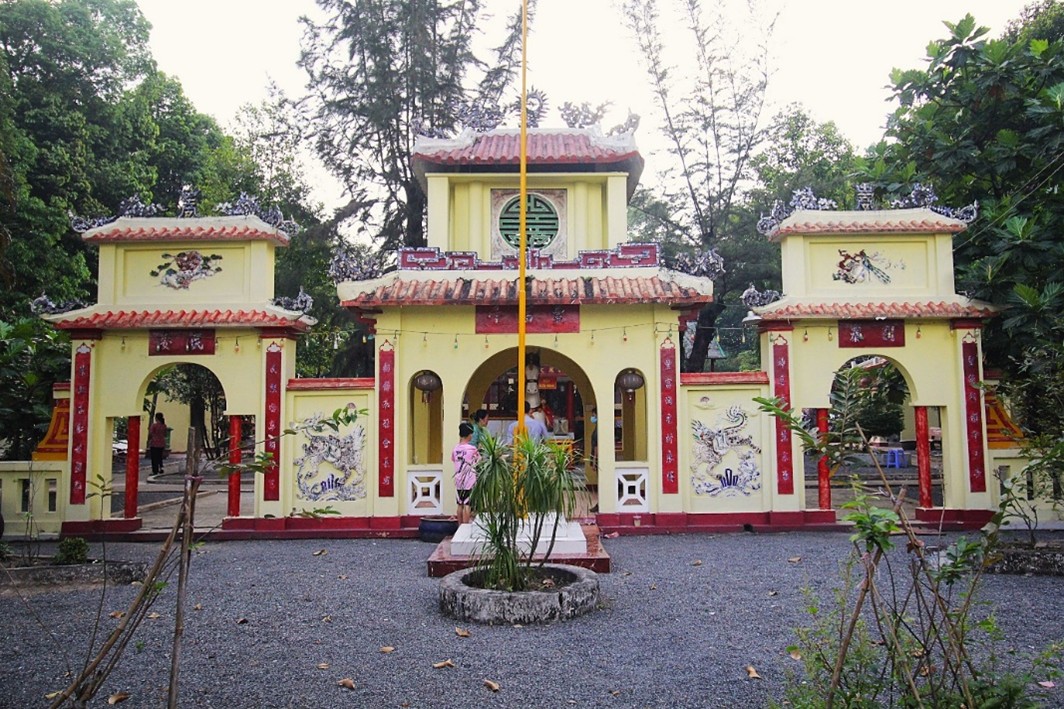
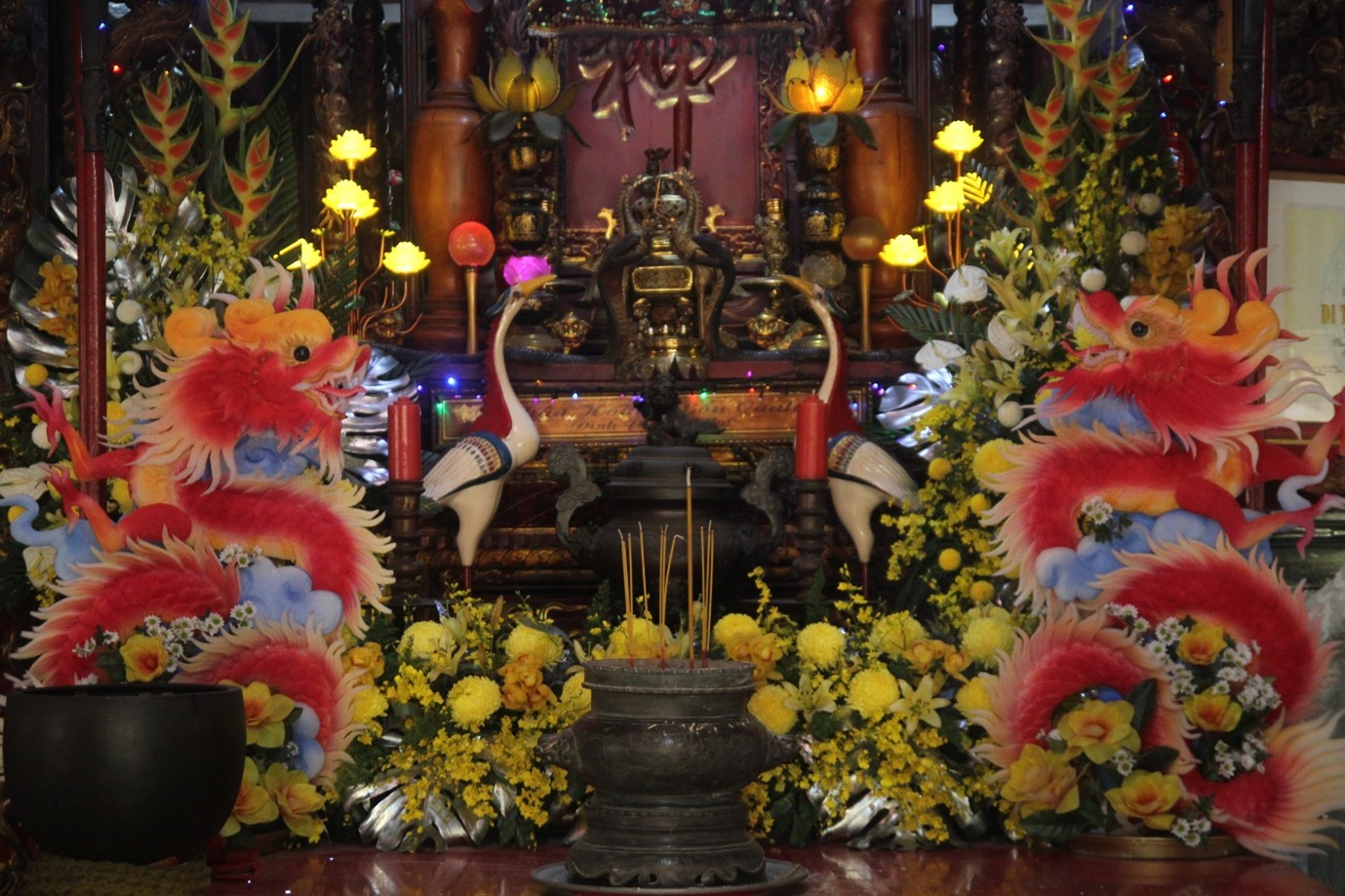
Explore the ancient architecture and valuable artifacts of the communal house.
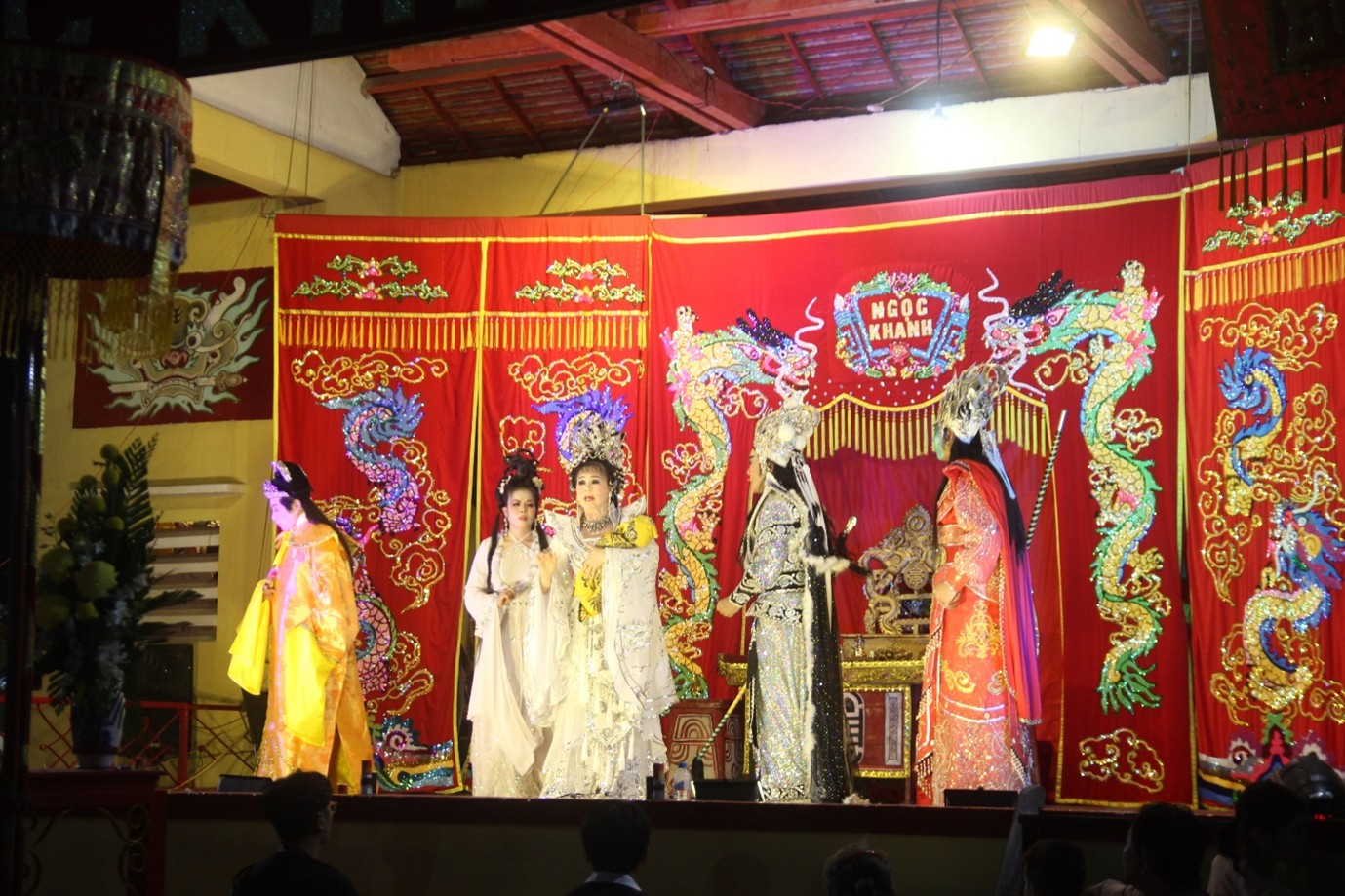
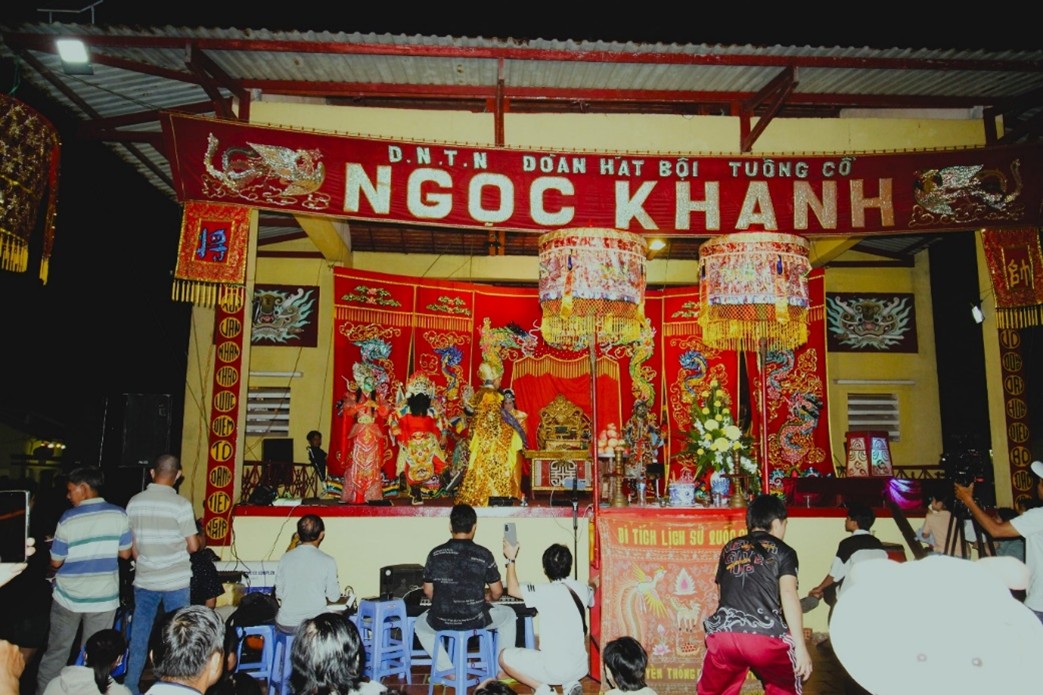
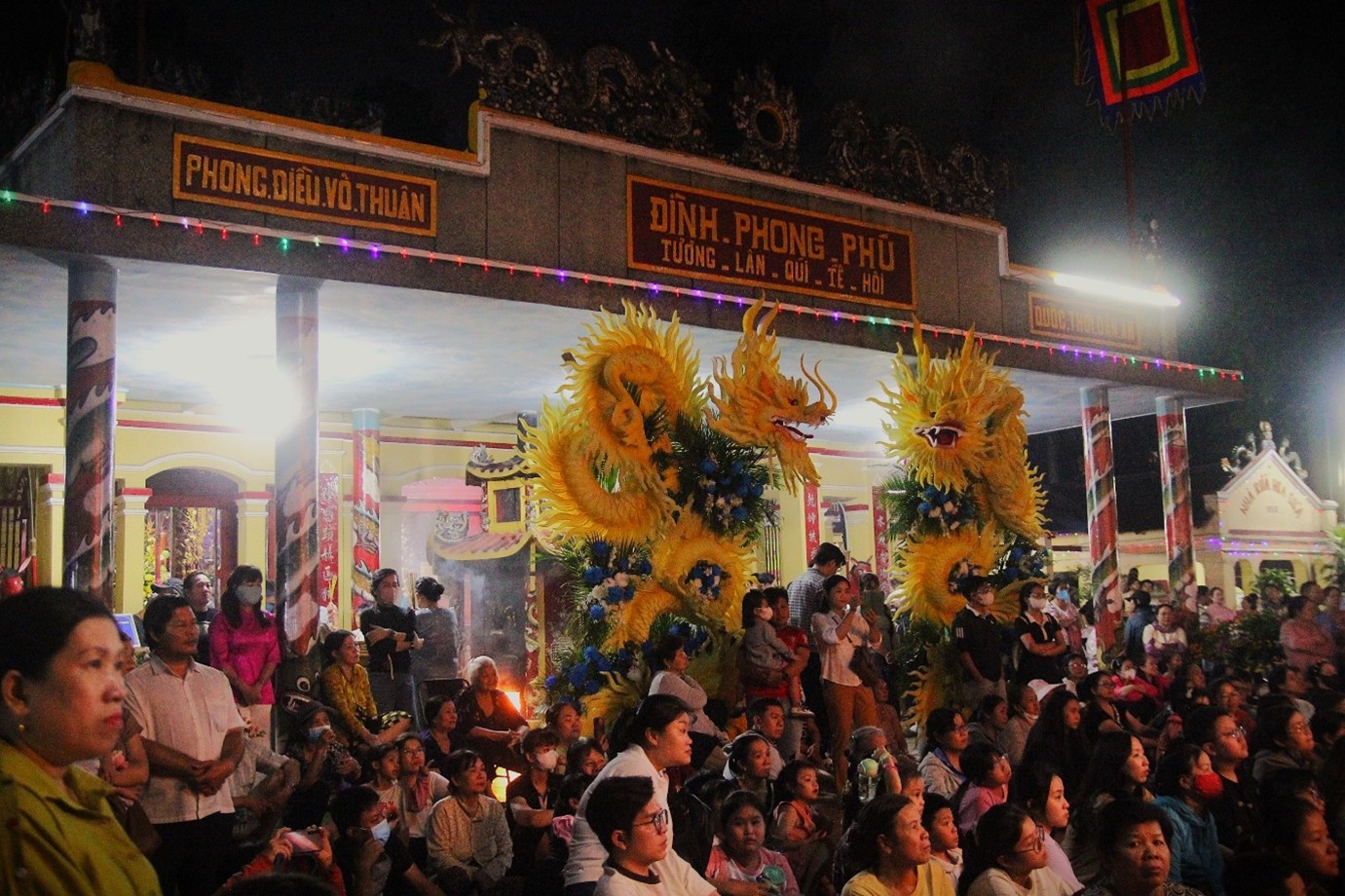
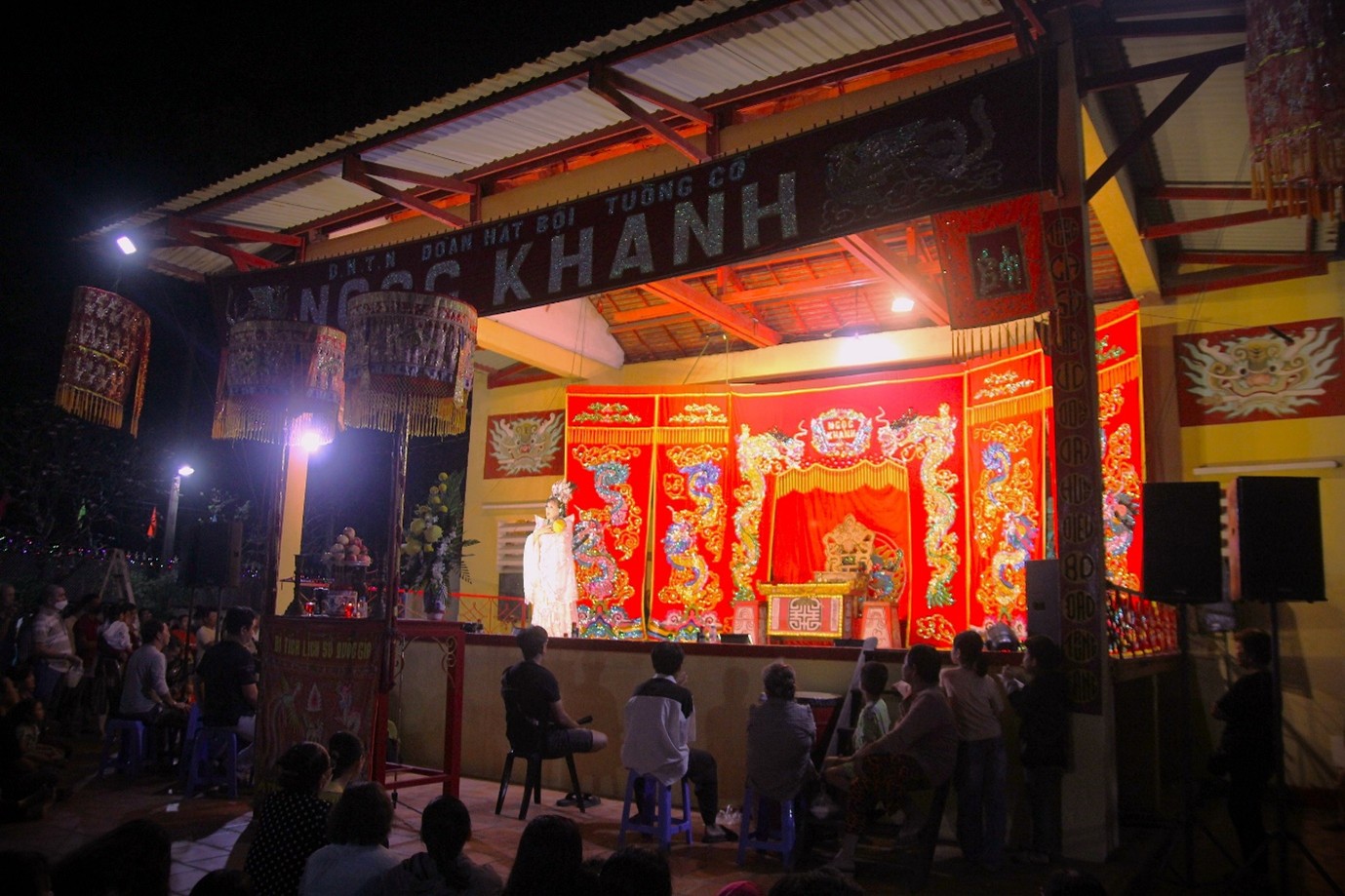
Explore the traditional festivals and spiritual practices of the communal house.

Heartfelt testimonials from those who have visited and learned about “Phong Phu Temple.
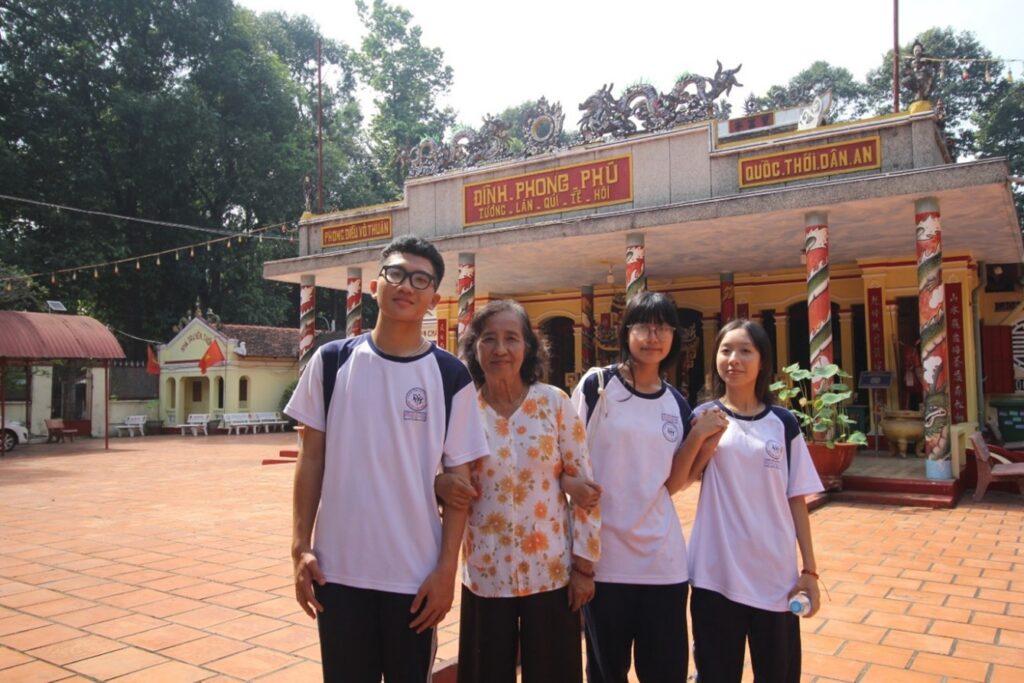
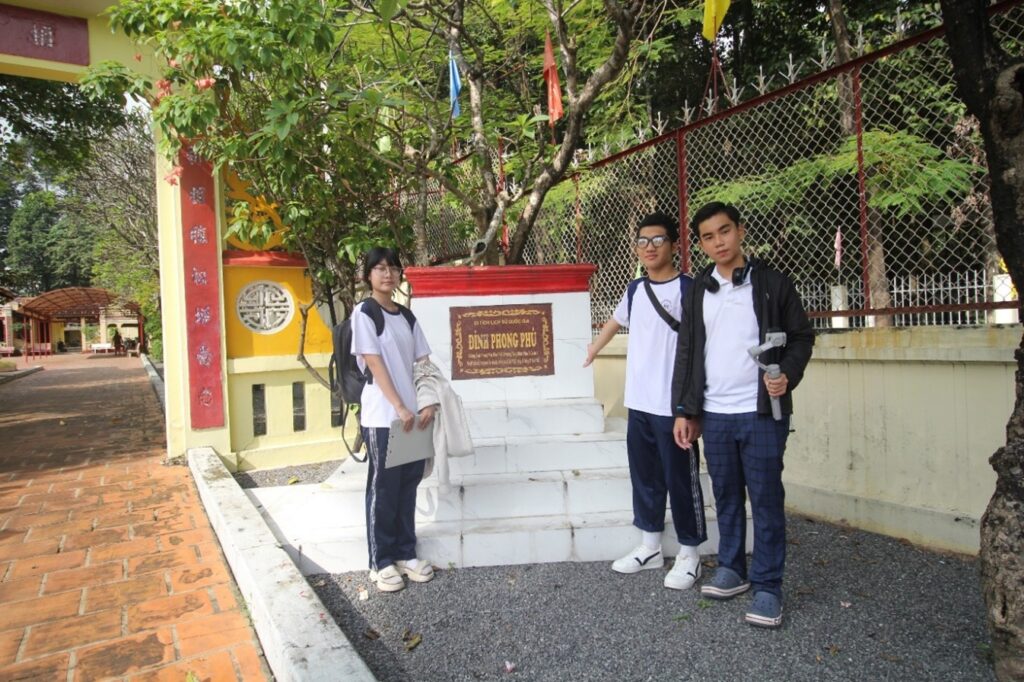
Sincere photo highlights shared by visitors who have explored and learned about “Phong Phú Communal House”