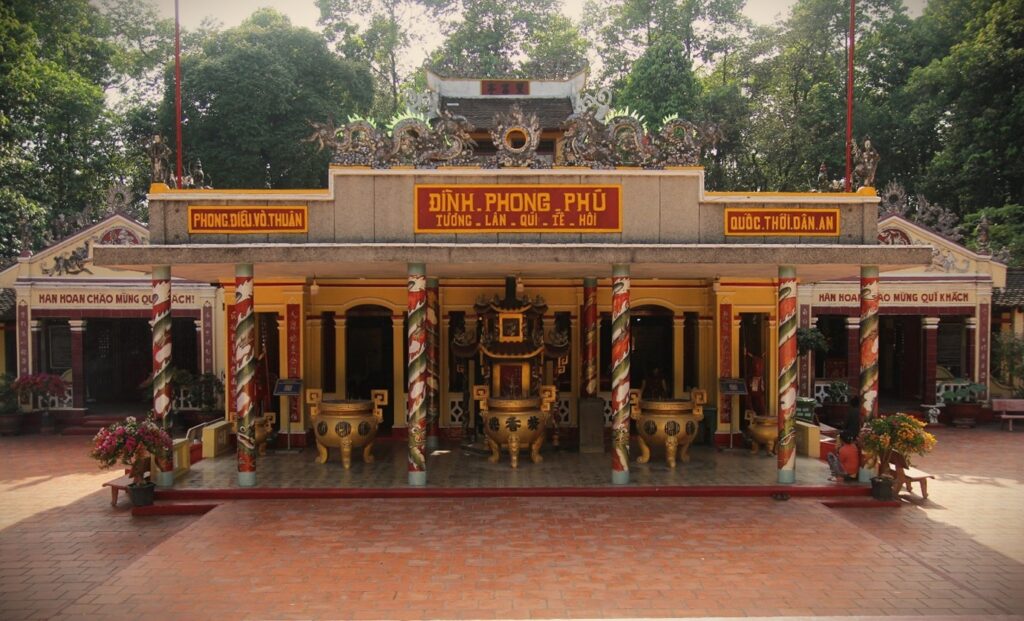
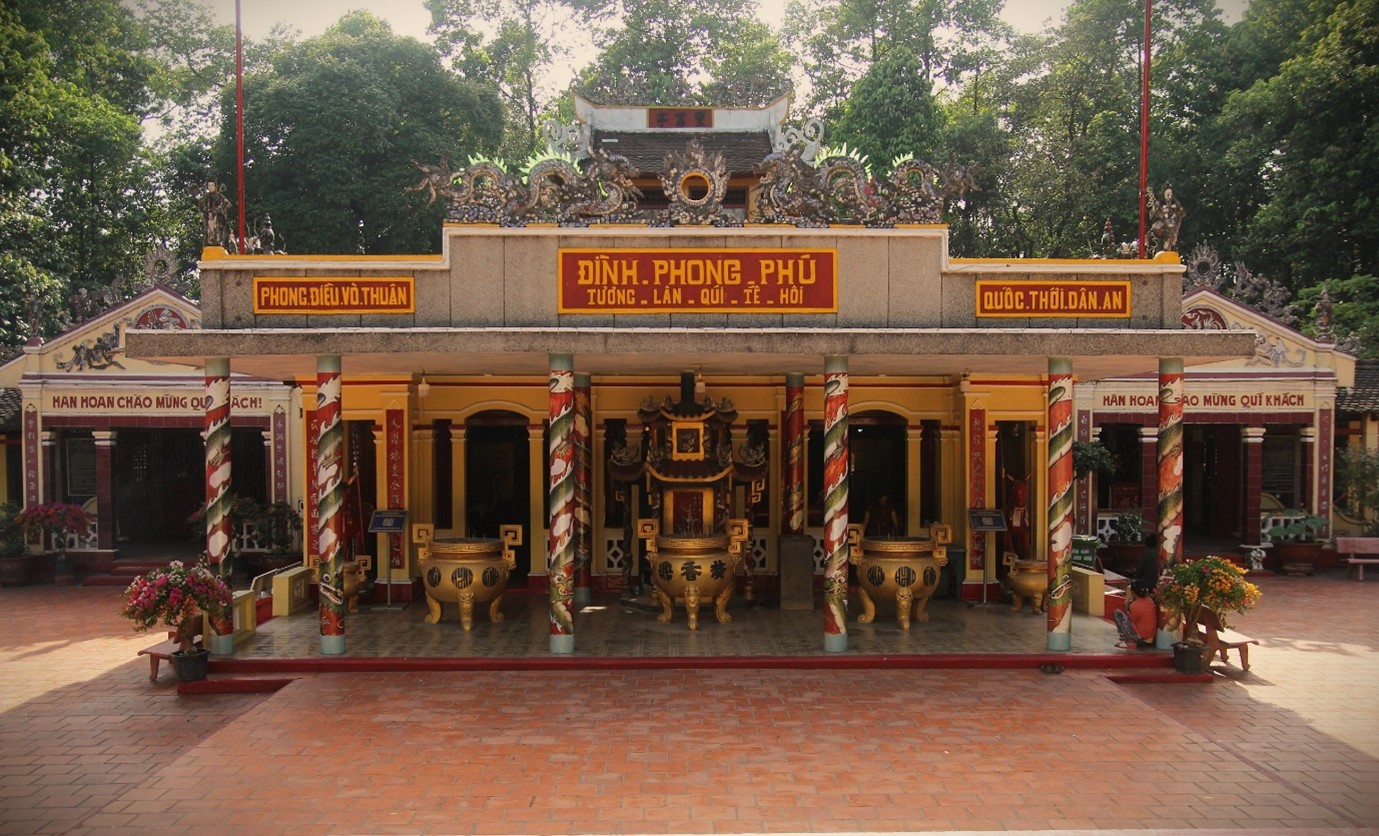
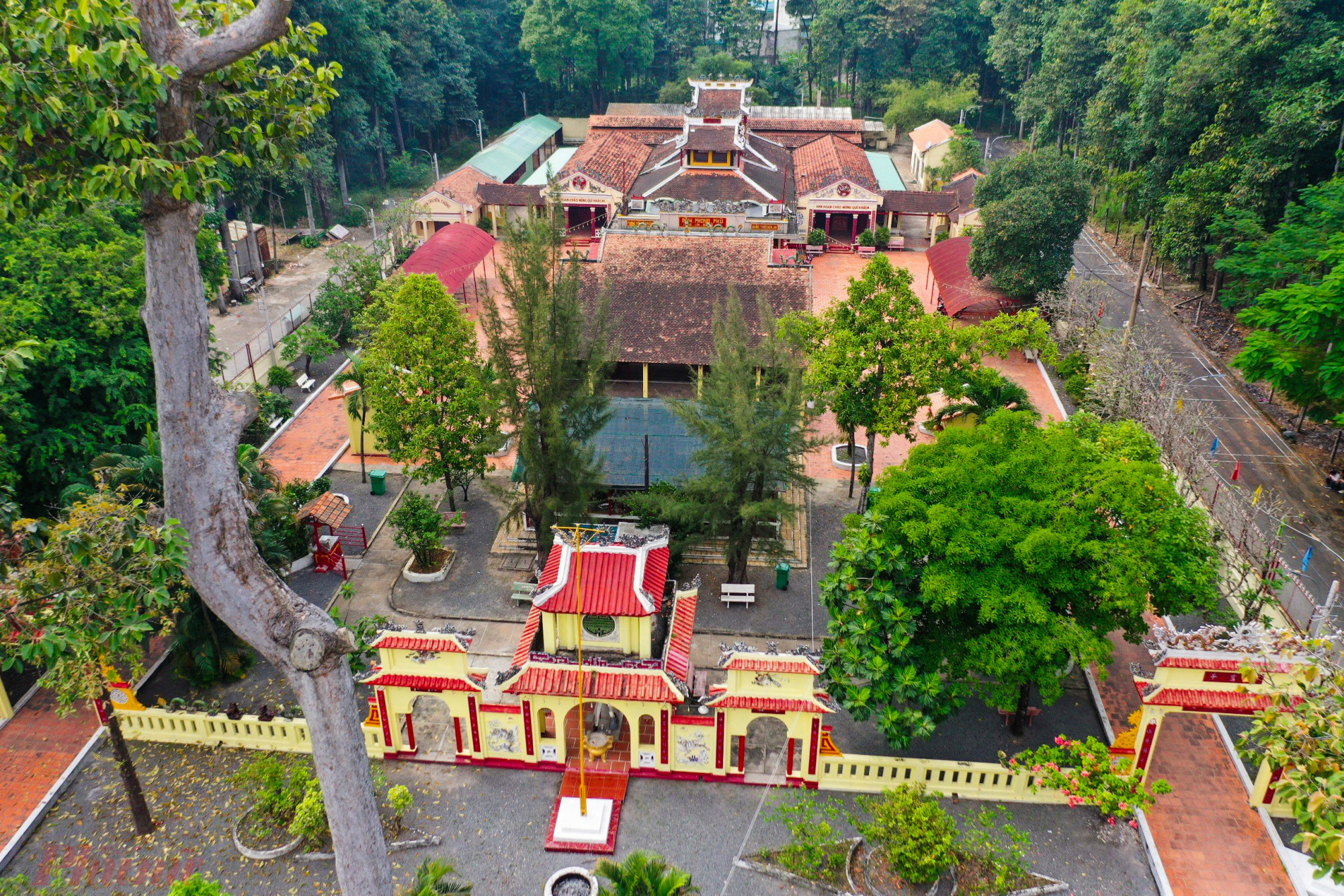
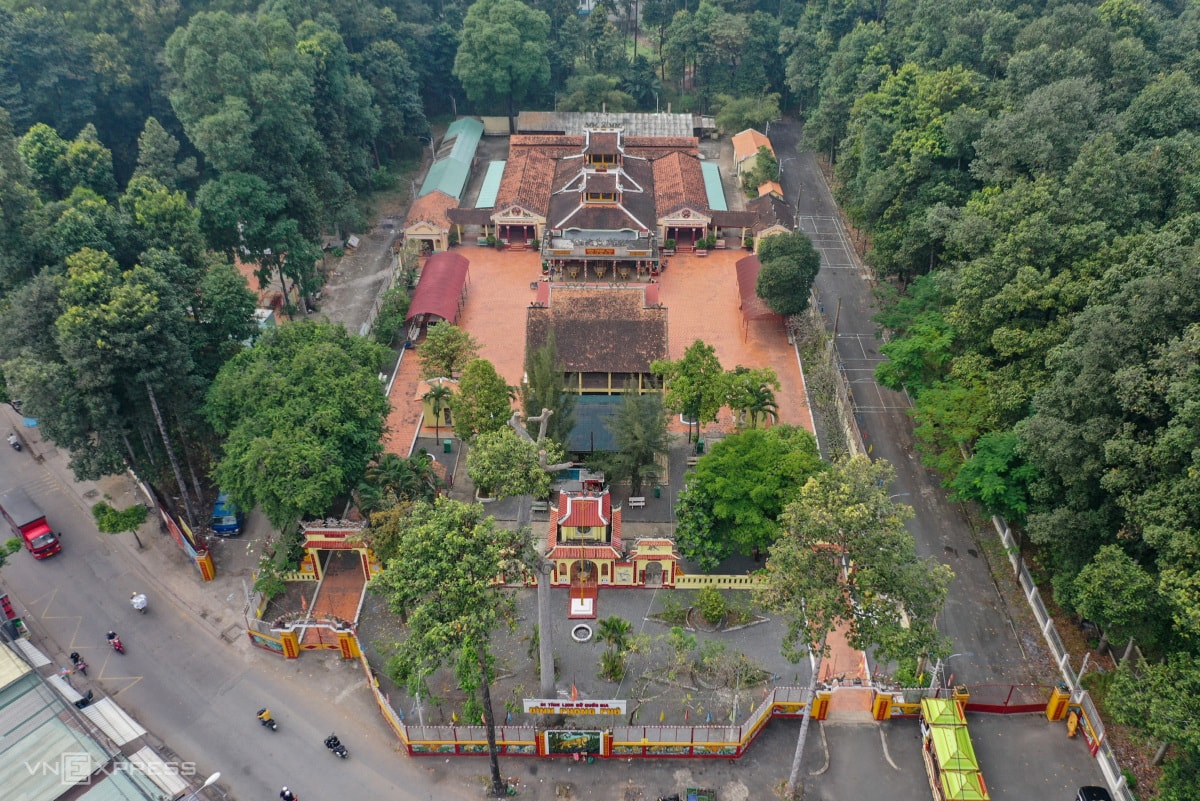
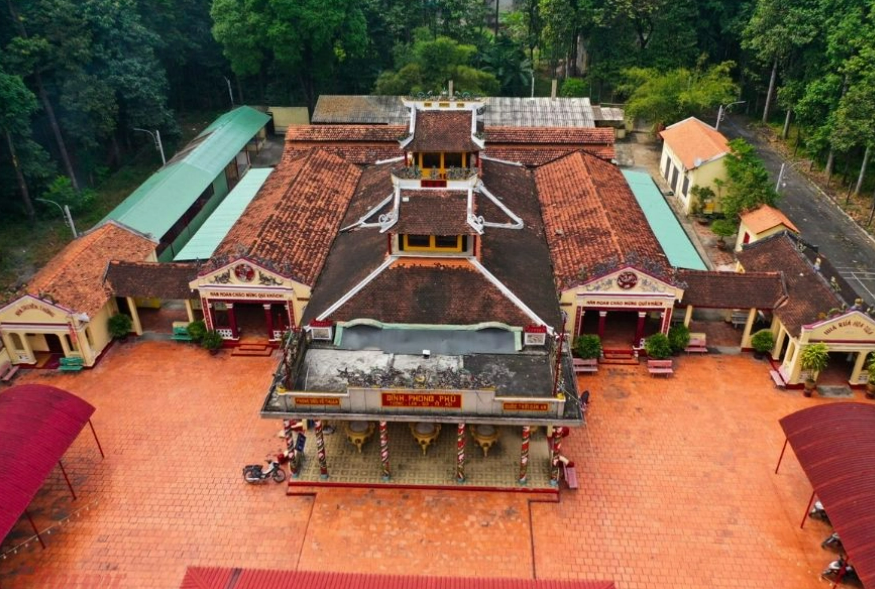
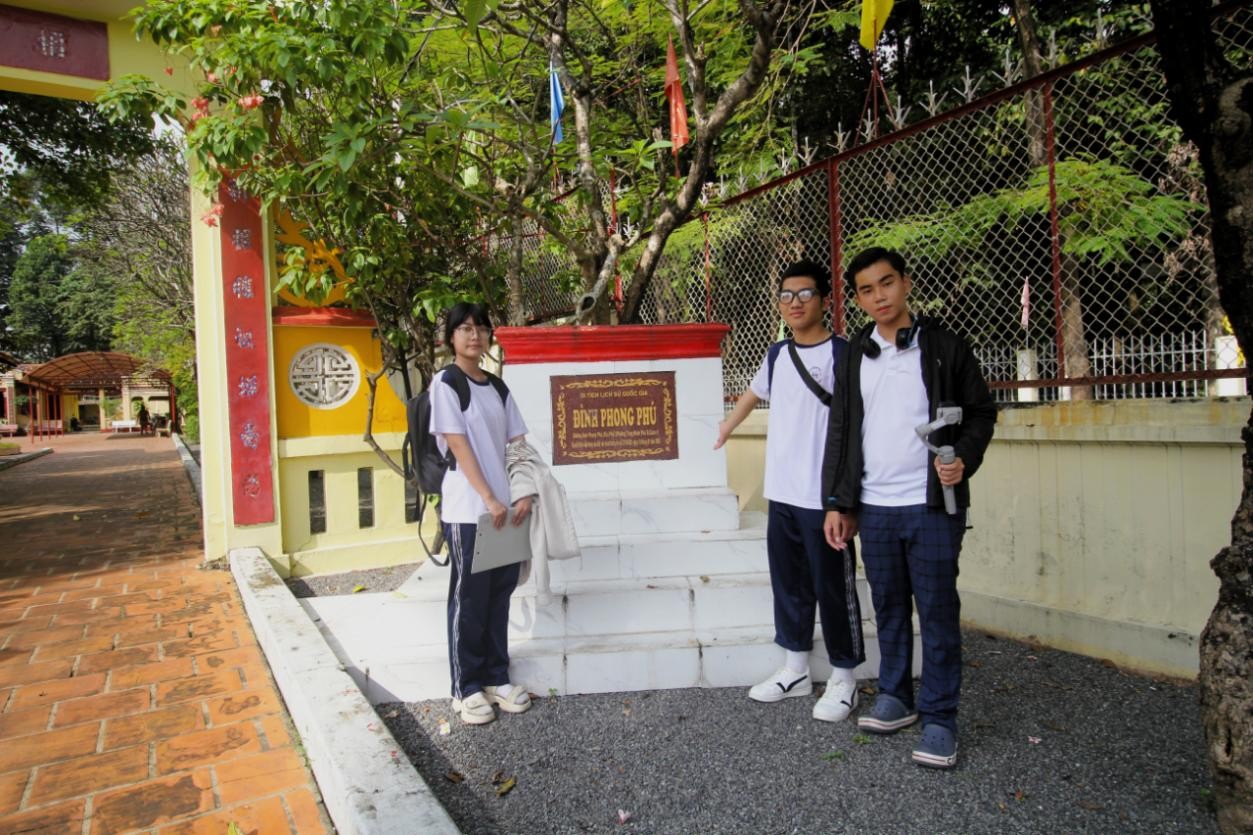
After the French defeat at Dien Bien Phu and their withdrawal from Vietnam, the Vietnamese people faced another enemy, the United States. The Phong Phu Communal House committee continued to support the resistance against foreign invasion.
The communal house became a kind of “headquarters” for the commune. Before going to work in other areas, local revolutionary cadres gathered there. After finishing their work, they returned to the communal house to share experiences. Cadres from the district, regional level, or other communes also stopped there to spend the night when passing through. It could be considered a relatively safe “station” for revolutionary cadres. At times, as many as 200 cadres from different offices and levels gathered there and slept throughout the communal house grounds. Phong Phu Communal House was also a place where forces gathered and stayed, and where cadres received rice, money, kerosene, and medicine. When the fighting became difficult and funds were limited, commune and district cadres relied on the support of the communal house committee. Much of the money donated by local people at the communal house was given to support the revolution. This support was not simply financial; it was also a difficult and dangerous struggle that sometimes put people’s lives at risk.
After learning that the communal house committee was connected to the revolutionary movement, the authorities of the former South Vietnamese government arrested several members in 1960, including:
– Mr. Nguyen Thanh Nhon – Head of the communal house committee
– Mr. Truong Van Tap – Inspector
– Mr. Truong Minh Thu – Secretary in charge of finances
– Phan Van Dung – Committee member
– Nguyen Van Trinh – Committee member
They were tortured in different ways in an attempt to obtain information about the revolutionary network. The men refused to reveal anything, so each was imprisoned for one to two years. This was not the first time they had been arrested. In 1950, the same men had also been arrested for being a “revolutionary base.”
During the Tet Offensive in 1968, Phong Phu Communal House was a gathering point for forces before attacks on important areas such as Saigon, Cho Lon, and other targets. After large-scale attacks, the opposing forces used aircraft, tanks, and heavy weapons, destroying many old trees in the grounds and seriously damaging the building. However, the deity statue in the main hall remained intact, further strengthening the local people’s faith and respect for the communal house.
In 1973, the situation of the revolutionary movement improved in several ways. The members of the communal house committee contacted Mr. Hoi Dong Thu, a financial affairs official working with the Governor of Gia Dinh Province, and asked him to intervene with Chau Van Tien, the Governor of Gia Dinh Province. Chau Van Tien then signed a decision requiring the local council to release the members of the Phong Phu Communal House committee.
After the resistance against the United States ended, visitors to the communal house could still see hidden places that had once sheltered revolutionary cadres. These included a secret tunnel connecting the communal house to the rubber plantation, as well as hidden spaces beneath the rock garden and inside the main hall.
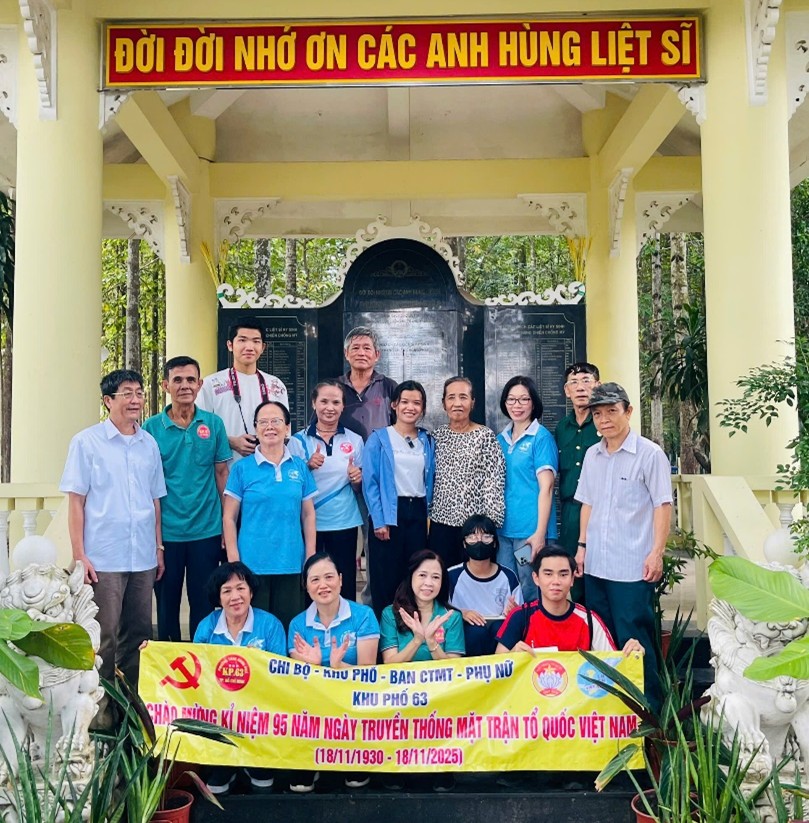
In particular, the members of the communal house committee set aside a room on the left side of the communal house as a traditional memorial room. It lists the names of martyrs from Phong Phu Hamlet from the two resistance periods: 48 people who died during the resistance against the French and 84 who died during the resistance against the United States. The room also displays photos of:
– Hero and martyr Nguyen Van Ba: He was active in Phong Phu Hamlet for many years. He served first as the commune military commander and later as the district military commander. He was also the nephew of Nguyen Thanh Nhon, the head of the communal house committee.
– Colonel Nguyen Van Hien: He was once a member of the Thanh Nien Tien Phong group in Phong Phu Hamlet and was the son of Nguyen Thanh Nhon.
– (Colonel) Hero of the People’s Armed Forces Nguyen Van Tang: He was the nephew of Nguyen Thanh Nhon.
The family of Nguyen Thanh Nhon can be seen as a notable family in Tang Nhon Phu Commune (now part of Tang Nhon Phu B Ward). He served as head of the communal house committee throughout both the resistance against the French and the resistance against the United States. His children and grandchildren also joined the revolutionary movement and made important contributions.
On October 20, 1976, Tang Nhon Phu Commune was awarded the title of Hero by the Government Council for its outstanding achievements during the resistance against the United States. In this honor, the people and forces of Tang Nhon Phu Commune did not forget the contributions of Phong Phu Communal House. The sacred communal house preserved traditional customs within a Hero commune, and these two parts were closely connected and could not be separated.
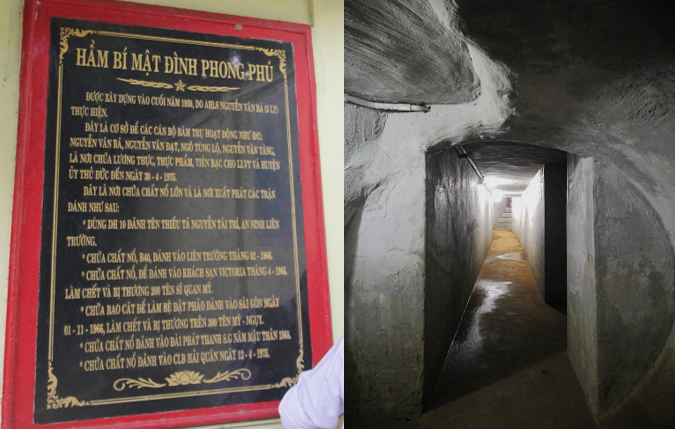
Secret tunnel of Phong Phu Communal House – Thu Duc City, photo taken in 2025

 Tiếng Việt