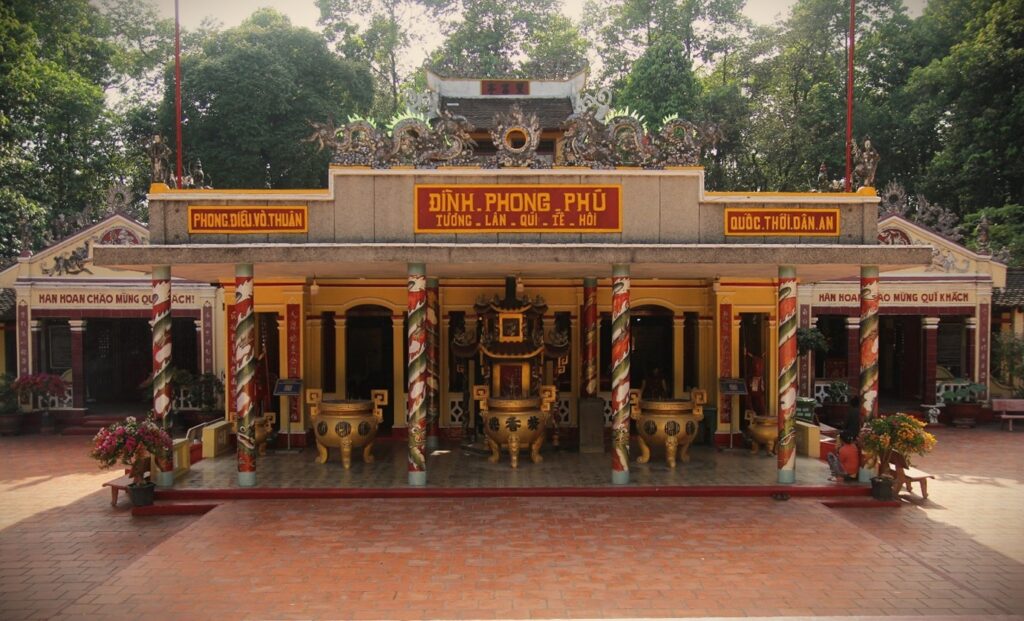

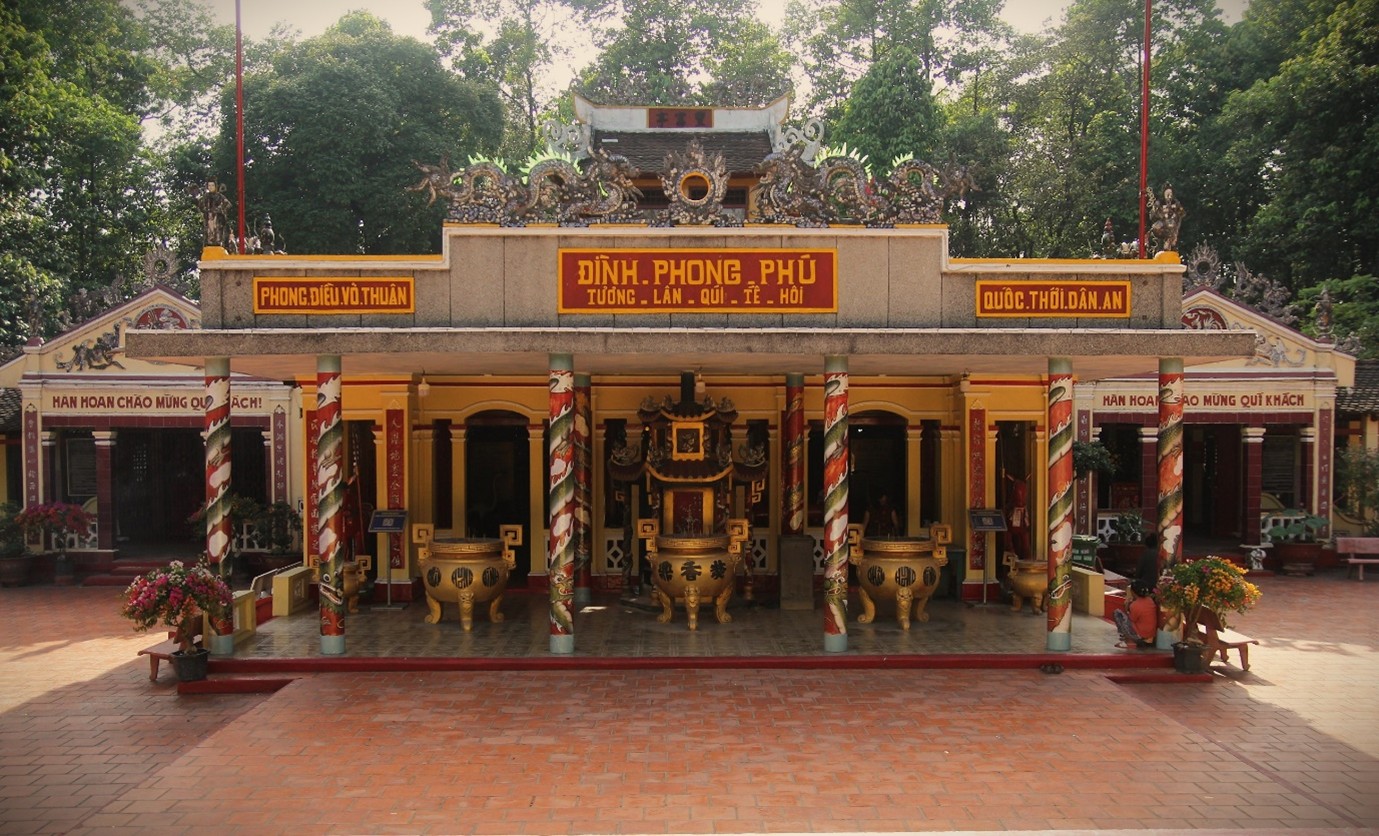
Main Hall of Phong Phú Communal House – Thu Duc City, 2025
(Source: Research Group of Nguyễn Văn Tăng High School)

History of Phong Phu Communal House

Phong Phu Communal House is a national historical site. It carries deep cultural and religious values tied to the history and growth of Phong Phu village. With over 200 years of history, it has seen the changes of time and the harshness of past wars. Many generations have worked to protect and preserve this site. Today, the communal house still holds worship activities and special cultural festivals that attract many visitors.
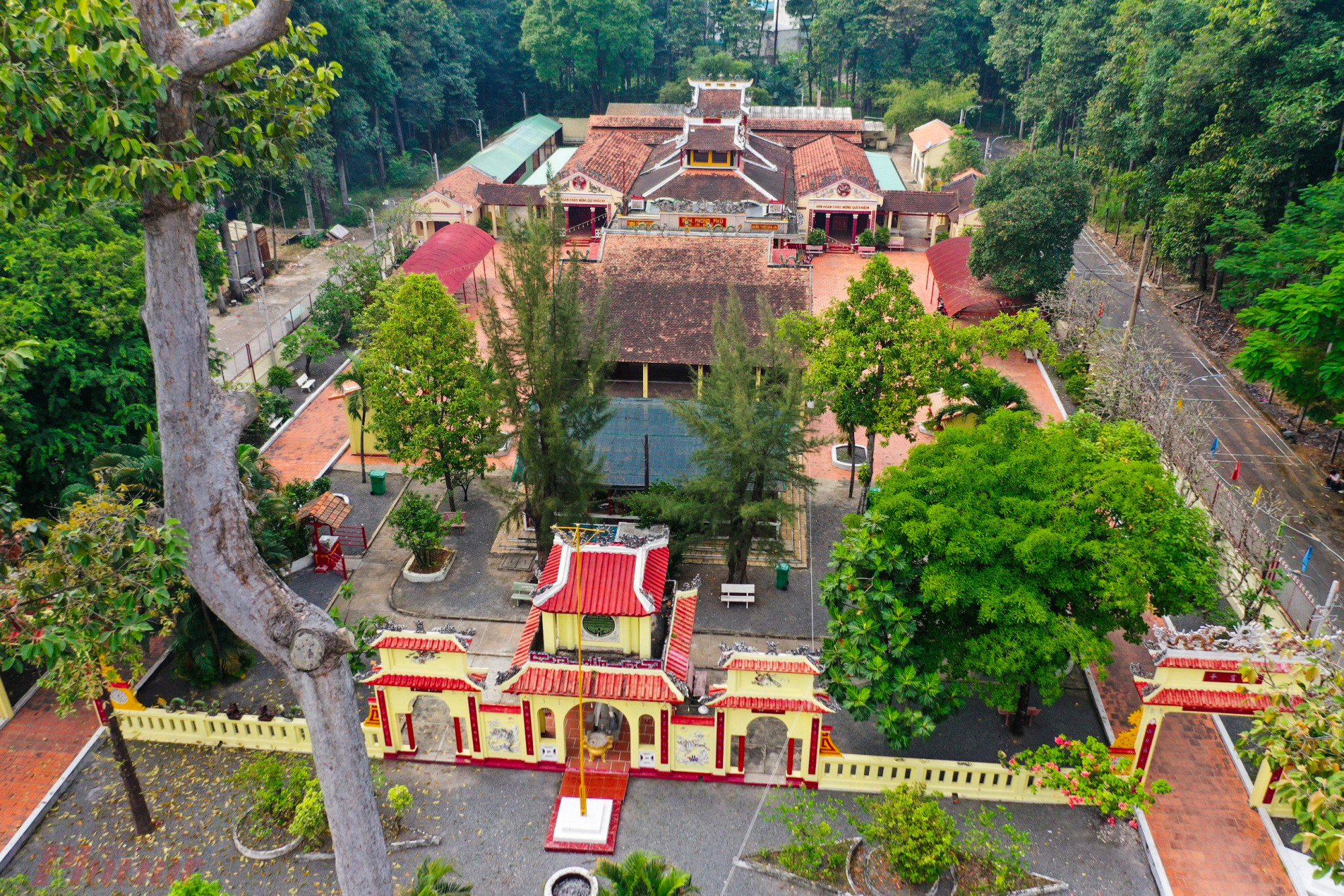
Overview of Phong Phú Communal House
(Source: Phụ Nữ Newspaper)
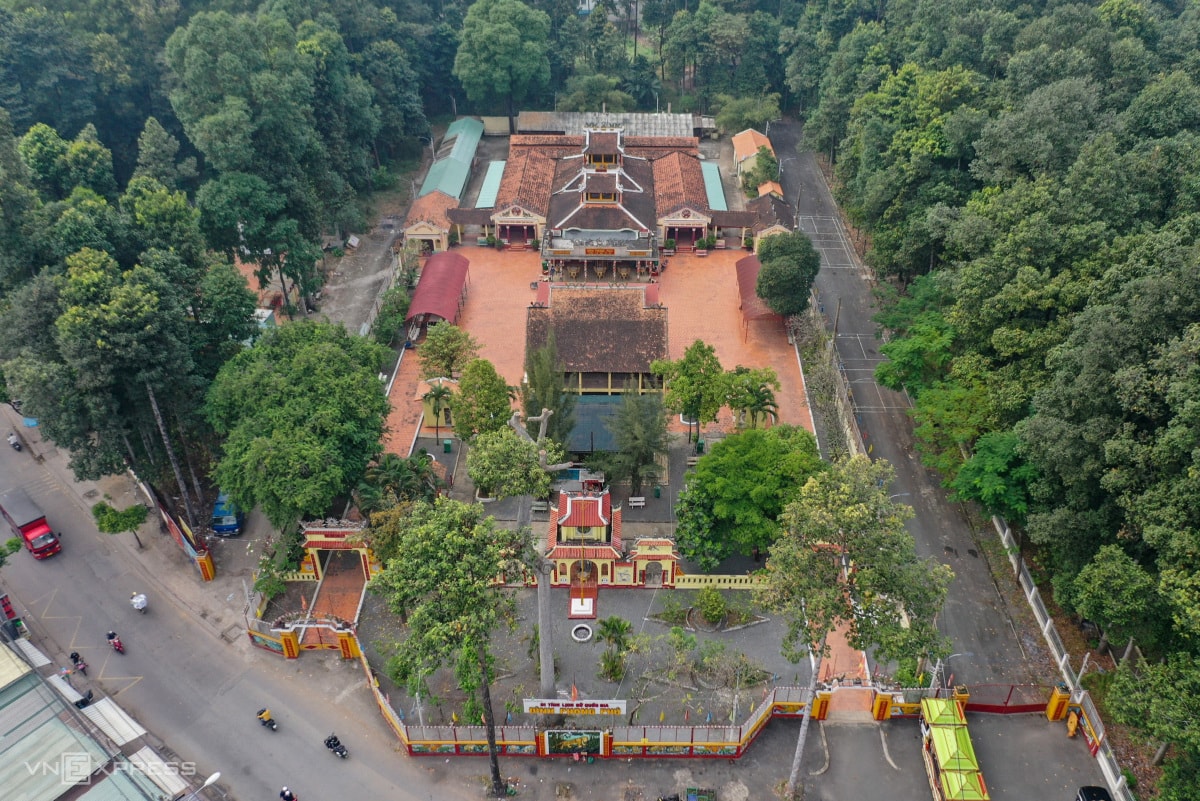
Overview of Phong Phú Communal House
(Nguồn ảnh: vnexpress Newspaper)
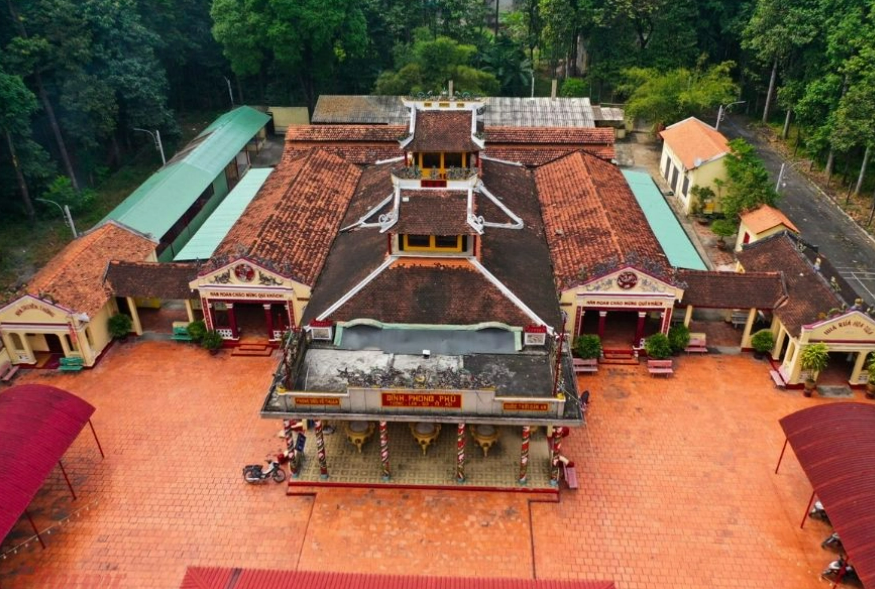
Phong Phú Communal House from Above
(Photo Source: Phụ Nữ Newspaper)


Stages of Formation and Development
of Phong Phu Communal House

Before 1945

Initial Stage

According to current records, Phong Phu Communal House has existed for over 200 years. It is closely linked to the first settlers who came to develop and settle in the Phong Phu area. At first, the communal house was simple and small, and its activities were not yet well-organized.
In 1937, 12 local elders applied to form a temple association named “Tuong, Lan, Quy, Te – Phong Phu Communal House Association” and received approval from the authorities. From then on, the association’s activities became more effective. They encouraged the local community to help repair and upgrade the communal house, making it more beautiful and attracting more visitors to come and pray.

1945 – 1960

Interruption and Restoration

In 1938, the French colonial government planned to use temples as military posts to crack down on patriotic movements. Facing this situation, the temple association had to temporarily close and move the sacred statue to Thanh Long Pagoda. Due to the quick and urgent move, many valuable records were lost, and the building was heavily damaged, leaving only foundations and rubble.
By 1952, when the situation was more stable, the elders in the association applied to restore the temple at its original location. They repaired the architecture to match a traditional village temple. The sacred statue was also brought back for the local people’s worship.
During this period, the association actively supported the national liberation movement. In 1960, the government arrested five members of the association on suspicion of revolutionary activities:

  • Nguyễn Thành Nhơn – Chairperson
  • Trương Văn Tập – Supervisor
  • Trương Minh Thu – Secretary and Treasurer
  • Nguyễn Văn Trinh – Member
  • Phan Văn Dũng – Member

They were taken to Thu Duc district. The enemy used many forms of torture to get information, but they failed; to protect the organization, Mr. Nguyễn Thành Nhơn committed suicide. The other members were imprisoned for one to two years. After being released, they continued their activities even though the enemy labeled them the “Communist Association” and had them monitored by the local village chief.

1960 – 1975

Maintenance during the War

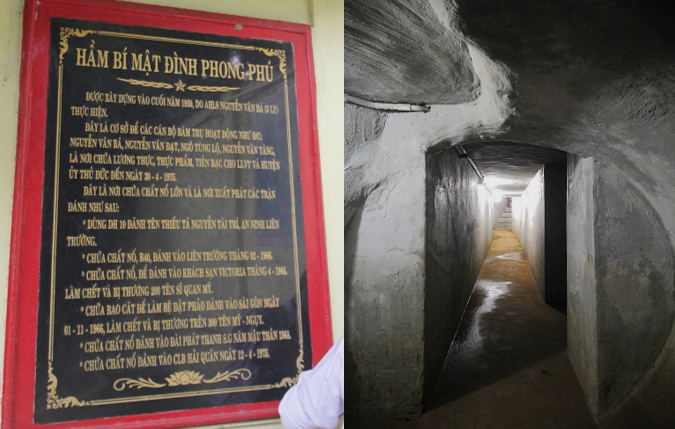
From 1960 to 1975, Phong Phu Communal House existed during the fierce war and was strictly controlled by the government. Records show that the temple was a base for food supplies and a key gathering place for revolutionary forces in Thu Duc. Many secret tunnels were built on the temple grounds to hide officials and transport supplies.
During the 1968 Tet Offensive, the temple was a gathering point for forces to launch attacks on key areas like Saigon and Cho Lon. After large-scale crackdowns, the enemy used planes, tanks, and heavy weapons, destroying ancient trees and seriously damaging the building. However, the sacred statue in the main hall remained safe, which strengthened the people’s faith and respect for the temple.
In 1973, the local government continued to crack down on the association, accusing them of supplying the revolution. The association was forced to hand over its property and was strictly monitored by the military. Despite this, with determination and cleverness, the association secretly continued to support the revolution. In early 1975, they donated 50,000 VND and other emergency supplies to help the soldiers celebrate Tet

Hầm bí mật Đình Phong Phú – TP Thủ Đức

Secret tunnel of Phong Phu Communal House – Thu Duc City, photo taken in 2025

Trước 1945

Giai đoạn hình thành ban đầu

Theo các tư liệu hiện còn, Đình Phong Phú đã tồn tại và phát triển hơn 200 năm, gắn liền với quá trình cư dân đến khai phá và ổn định cuộc sống tại vùng đất Phong Phú. Ở giai đoạn đầu, đình được xây dựng với quy mô đơn sơ, các hoạt động sinh hoạt hội đình chưa mang tính tổ chức chặt chẽ.

Nhận được sự đồng thuận của Chánh tham biện Pháp và Tỉnh trưởng Gia Kỳ ấn ký năm 1937, khi 12 vị bô lão tại địa phương đứng ra làm đơn xin thành lập hội đình với tên gọi “Tương, Lân, Quý, Tế – Hội Đình Phong Phú”. Từ đây, hội đình chính thức đi vào hoạt động nề nếp, vận động nhân dân tu sửa ngôi đình ngày càng tươm tất, khang trang hơn, thu hút khách thập phương đến cúng bái.

1945 – 1960

Giai đoạn gián đoạn và khôi phục

Năm 1938, thực dân Pháp có chủ trương chiếm dụng đình, chùa làm đồn bót nhằm đàn áp phong trào yêu nước của nhân dân. Trước tình hình đó, hội đình buộc phải tạm thời giải thể, rước tượng thần về chùa Thanh Long để an vị. Do việc di dời vội vã, gấp rút dẫn đến nhiều tư liệu quý của đình bị thất lạc, công trình đình cũng bị hư hại nặng, chỉ còn lại nền móng và gạch vụn.

Đến năm 1952, khi tình hình tương đối ổn định, các vị cao niên trong hội đình đã làm đơn xin khôi phục lại đình tại vị trí cũ, đồng thời tiến hành sửa sang lại kiến trúc cho phù hợp với quy mô một đình làng truyền thống. Tượng ông cũng được thỉnh về an vị trở lại trong tín ngưỡng của nhân dân địa phương.

Trong giai đoạn này, hội đình còn tích cực tham gia đóng góp sức người, sức của cho phong trào đấu tranh giải phóng dân tộc. Năm 1960, chính quyền đương thời tiến hành bắt giữ 5 vị trong ban hội đình vì tình nghi có liên quan đến hoạt động cách mạng, gồm:

  • Nguyễn Thành Nhơn – Hội trưởng
  • Trương Văn Tập – Kiểm soát viên
  • Trương Minh Thu – Thư ký kiêm Thủ bổn
  • Nguyễn Văn Trinh – Hội viên
  • Phan Văn Dũng – Hội viên

Họ bị giải về giao về quận Thủ Đức. Để khai thác cơ sở hoạt động cách mạng, chúng dùng nhiều thủ đoạn tra tấn nhưng đều thất bại, vì sự an toàn của tổ chức, cụ Nguyễn Thành Nhơn đã dùng dao tự sát trước kẻ thù. Những cụ còn lại phải chịu cảnh tù đày từ 1 đến 2 năm. Khi được tự do, họ lại tiếp tục hoạt động, bị dịch gán hội đình là “Hội Cộng Sản”. Đồng thời cho trưởng ấp Ngọc giám sát nhằm nắm bắt các hoạt động của hội.

1960 – 1975

Duy trì trong hoàn cảnh chiến tranh

Từ năm 1960 đến năm 1975, Đình Phong Phú tồn tại trong bối cảnh chiến tranh ác liệt và chịu sự kiểm soát nghiêm ngặt của chính quyền đương thời. Theo các tư liệu ghi nhận, đình là một trong những cơ sở tiếp tế lương thực và là nơi tập trung lực lượng quan trọng của cách mạng tại khu vực Thủ Đức. Nhiều hầm bí mật được xây dựng trong khuôn viên đình nhằm che giấu cán bộ và vận chuyển nhu yếu phẩm.

Trong đợt Tổng tiến công và nổi dậy Tết Mậu Thân năm 1968, Đình Phong Phú là điểm tập trung lực lượng, từ đó xuất phát tấn công vào các khu vực trọng yếu như Sài Gòn, Chợ Lớn và một số mục tiêu quan trọng khác. Sau các đợt đàn áp quy mô lớn, đối phương đã sử dụng máy bay, xe tăng và vũ khí hạng nặng, phá hủy nhiều cây cổ thụ trong khuôn viên đình và gây hư hại nghiêm trọng cho công trình. Tuy nhiên, tượng thần tại chánh điện vẫn còn nguyên vẹn, càng củng cố niềm tin và sự tôn kính của nhân dân đối với đình.

Năm Quý Sửu (1973), chính quyền xã Tăng Nhơn Phú tiếp tục đàn áp hội đình với cáo buộc tiếp tế cho cách mạng. Hội đình bị buộc giao nộp và niêm phong tài sản, đồng thời bị giám sát chặt chẽ bởi lực lượng vũ trang. Dù vậy, với tinh thần kiên định và sự mưu trí, hội đình vẫn âm thầm duy trì hoạt động hỗ trợ cách mạng. Đầu năm 1975, hội đình đã đóng góp 50.000 đồng để hỗ trợ bộ đội đón Tết cùng nhiều khoản đóng góp khẩn cấp khác, có biên nhận và được lưu giữ tại địa phương.

Hầm bí mật Đình Phong Phú – TP Thủ Đức

Hầm bí mật Đình Phong Phú – TP Thủ Đức, ảnh chụp 2025
(Nguồn: Nhóm nghiên cứu Trường THPT Nguyễn Văn Tăng)

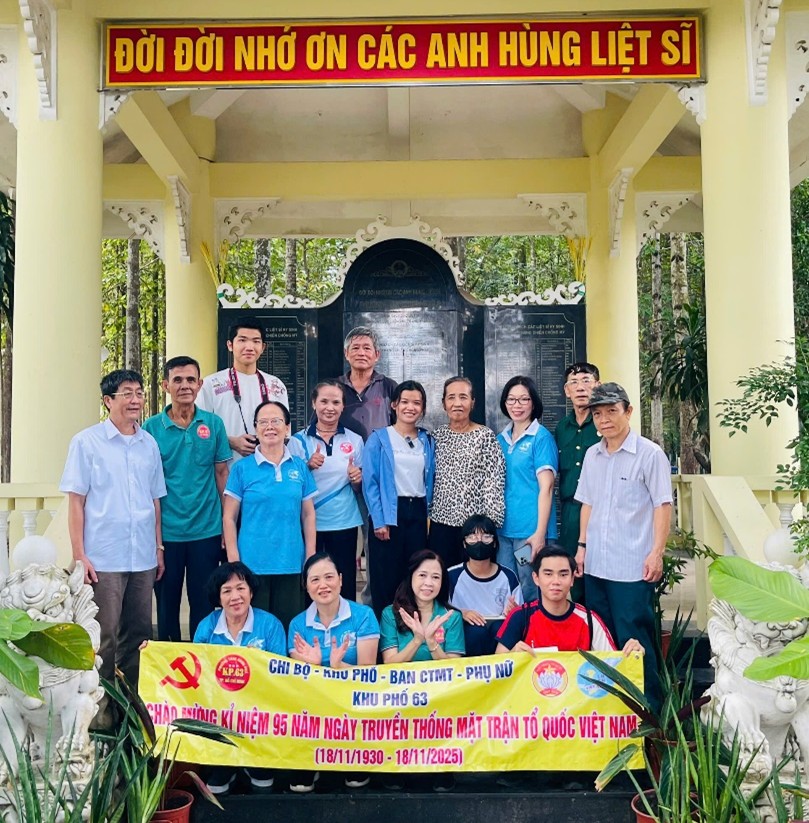
Commemoration and incense offering activities to honor heroic martyrs by local officials and residents at the Phong Phu Communal House Historical Site – Thu Duc City. Photo taken in 2025

Current Values of Phong Phu Communal House

Today, Phong Phu Communal House continues to be cared for, preserved, renovated, and promoted by the local government and people. It has become a familiar spiritual space for the local community. Despite many historical changes and the impacts of war, the communal house still maintains its important position and role in the spiritual life of the local people.
Phong Phu Communal House is a typical historical relic closely associated with the local revolutionary struggle. Besides its historical value, the communal house also carries deep cultural and educational values. it contributes to preserving community memories and educating current and future generations on patriotism, gratitude, and the spirit of solidarity..

In modern society, Phong Phu Communal House is considered a “red address” for local history education. Visiting and learning about the communal house not only helps the younger generation raise their historical awareness but also builds national pride, a sense of responsibility, and a spirit of preserving and promoting the beautiful traditional values of our homeland.

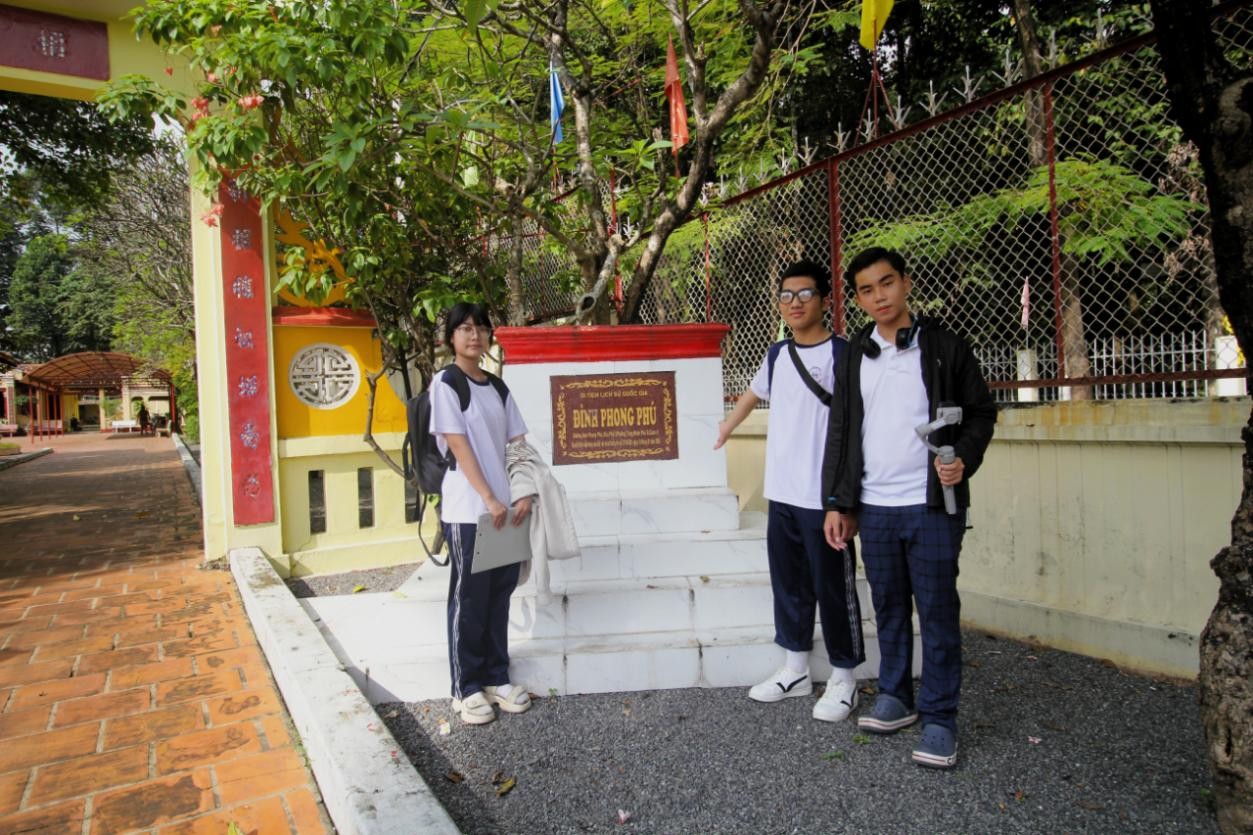
Group of students participating in field survey activities at the stele of Phong Phu Communal House National Historical Site – Thu Duc City, photo taken in 2025

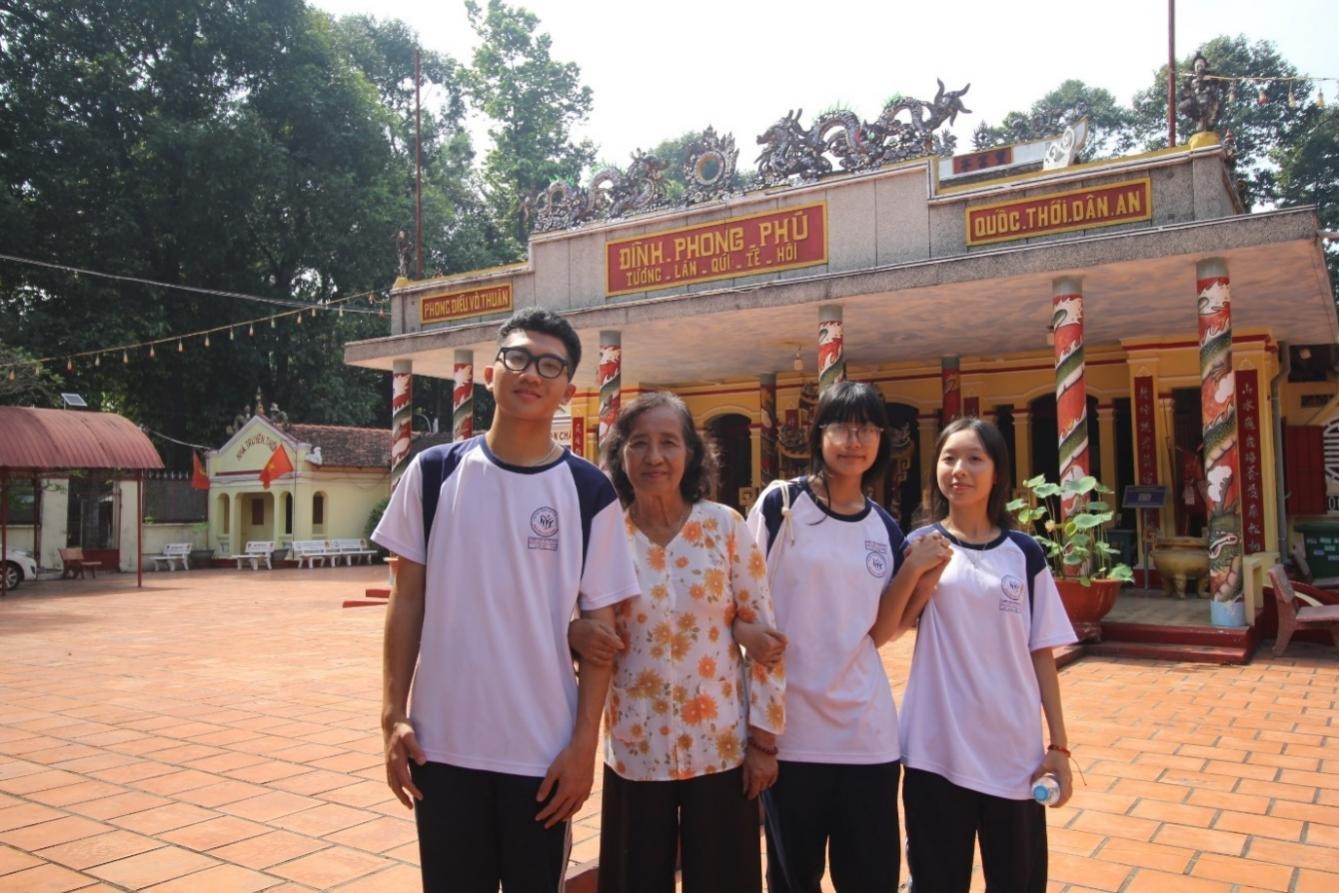
Group of students participating in field survey activities at the stele of Phong Phu Communal House National Historical Site – Thu Duc City, photo taken in 2025